Google Imagen — Image Generator by Google DeepMind
From Imagen 3 to Imagen 4 — Google's most photorealistic text-to-image models. Fine-detail rendering, accurate text in images, up to 2K resolution. 3 model tiers.
What is Google Imagen?
Google Imagen AI is Google’s version of the popular generative AI image technology. It is a recent text-to-image model that uses large language models (LLMs) to create ultra-realistic AI from text descriptions. Google’s best generator runs on a latent diffusion transformer architecture. The first version, Imagen 3, was launched in August 2024, while the recent version, Imagen 4, was launched in May 2025 at Google I/O. While the first version has advanced photorealism, the latest version has improved text rendering, detail, and speed.
Imagen AI has three different tiers with unifying features like SynthID, a prompt rewriter, and a configurable safety setting. One of the tiers is the Imagen 4 fast, it is great for high-volume tasks, fast prototyping, and iterative creation, and it supports up to 1408×768 pixels. The second tier is the Imagen 4, the standard and flagship balance between speed and quality. It supports resolutions up to 2048×2048 pixels. It is great for users who want high-quality output without premium pricing. Imagen 4 Ultra delivers enhanced detail, texture fidelity, and prompt adherence at the highest quality. It generates image suitable for professionals and brands seeking maximum quality.
Accessing Google Imagen AI is never a problem, as you can access it directly on our platform. You can try both Imagen 3 and Imagen 4 here on our platform with your browser with no redirects.
What Makes Google Imagen Different
Photorealism That Rivals Photography
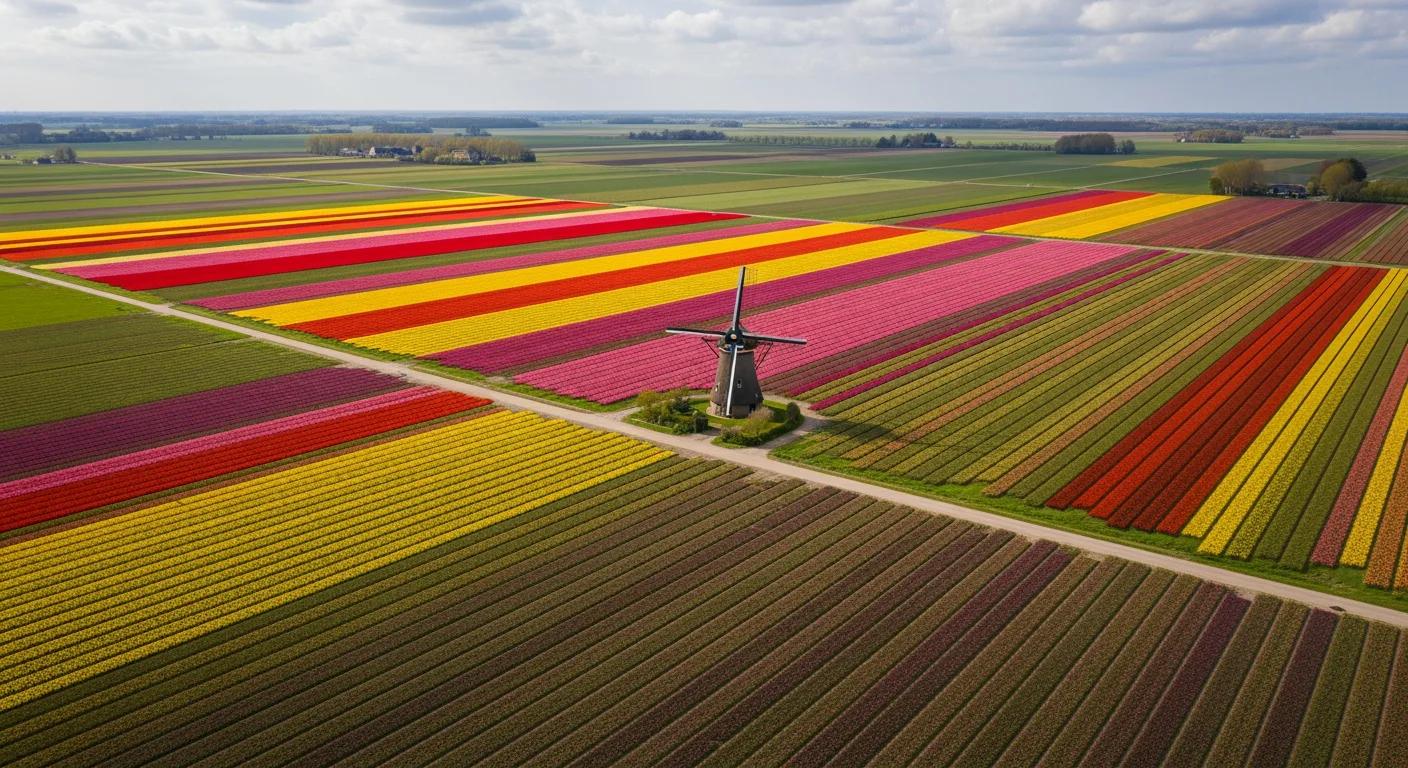
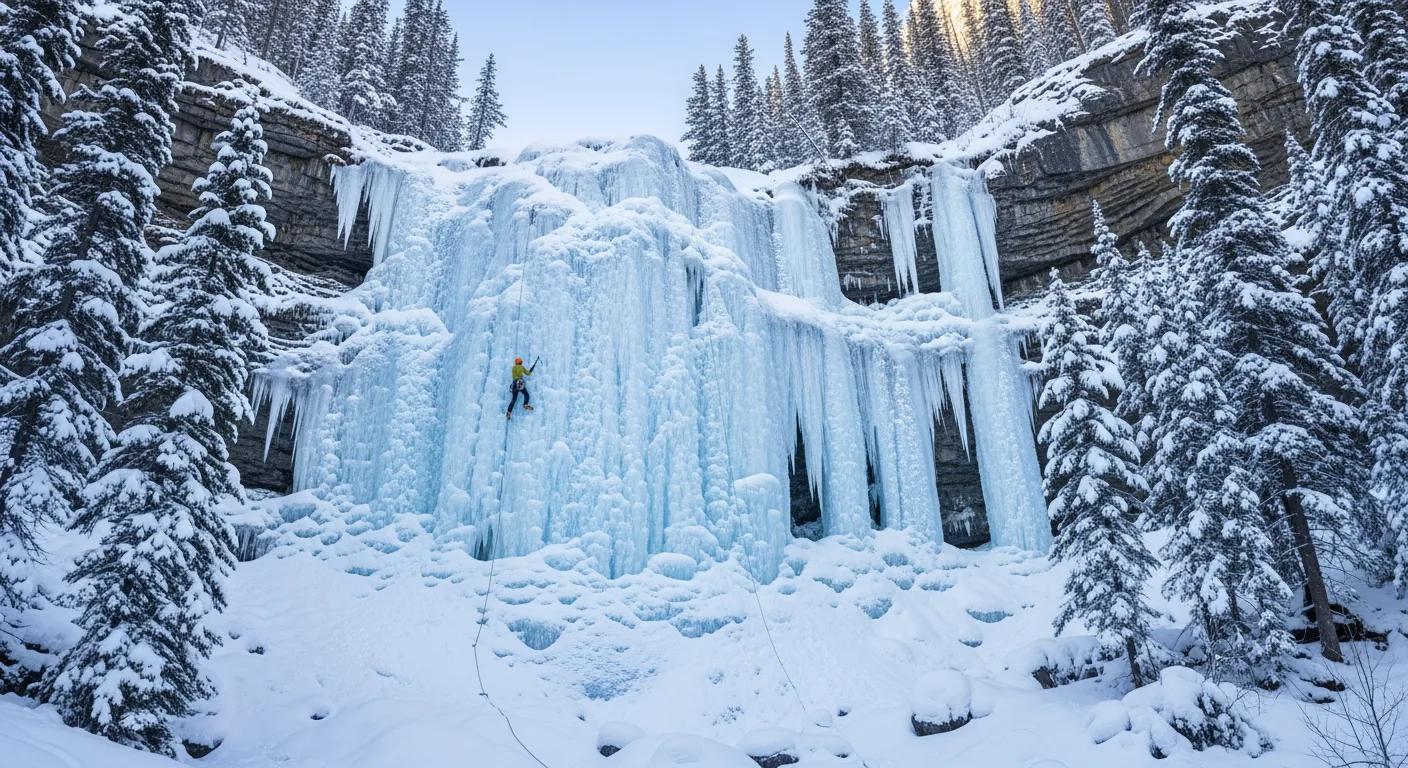
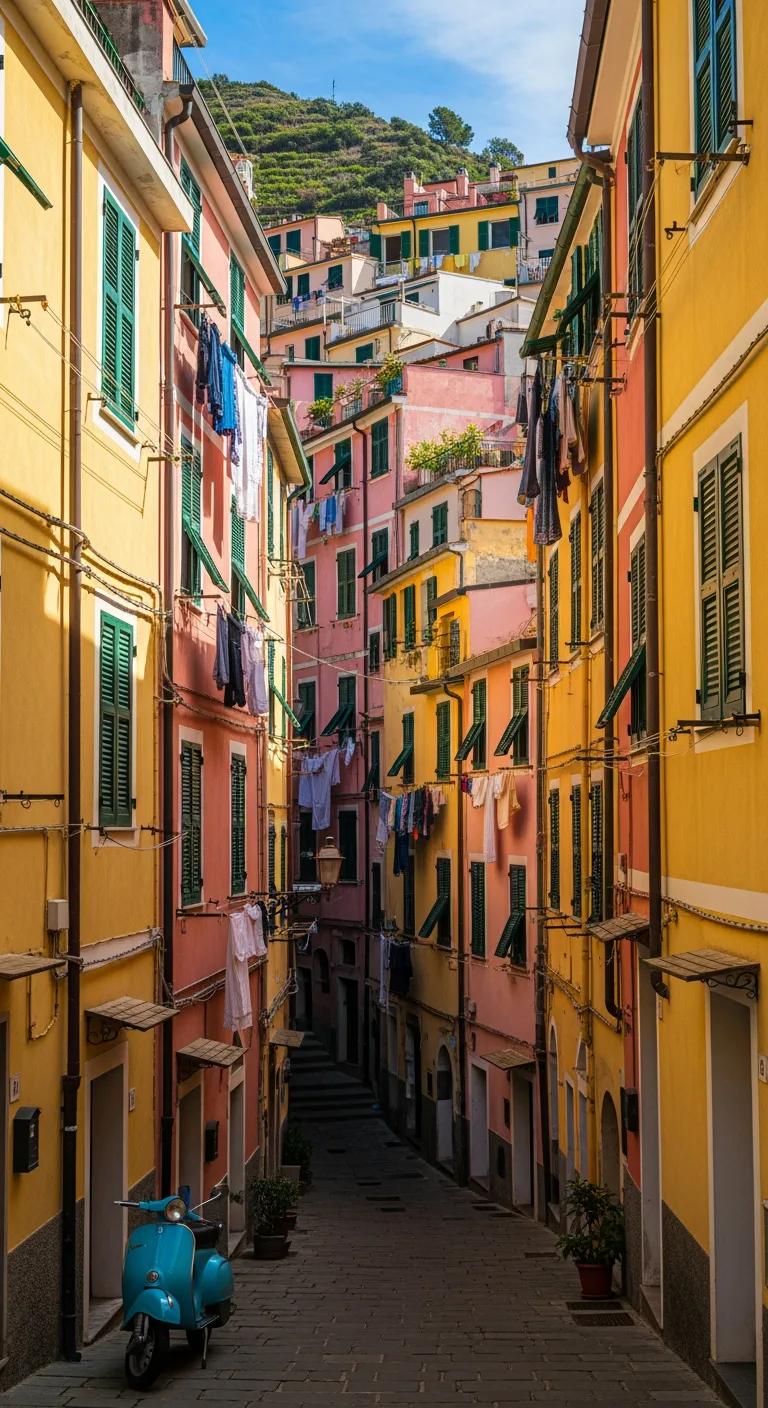
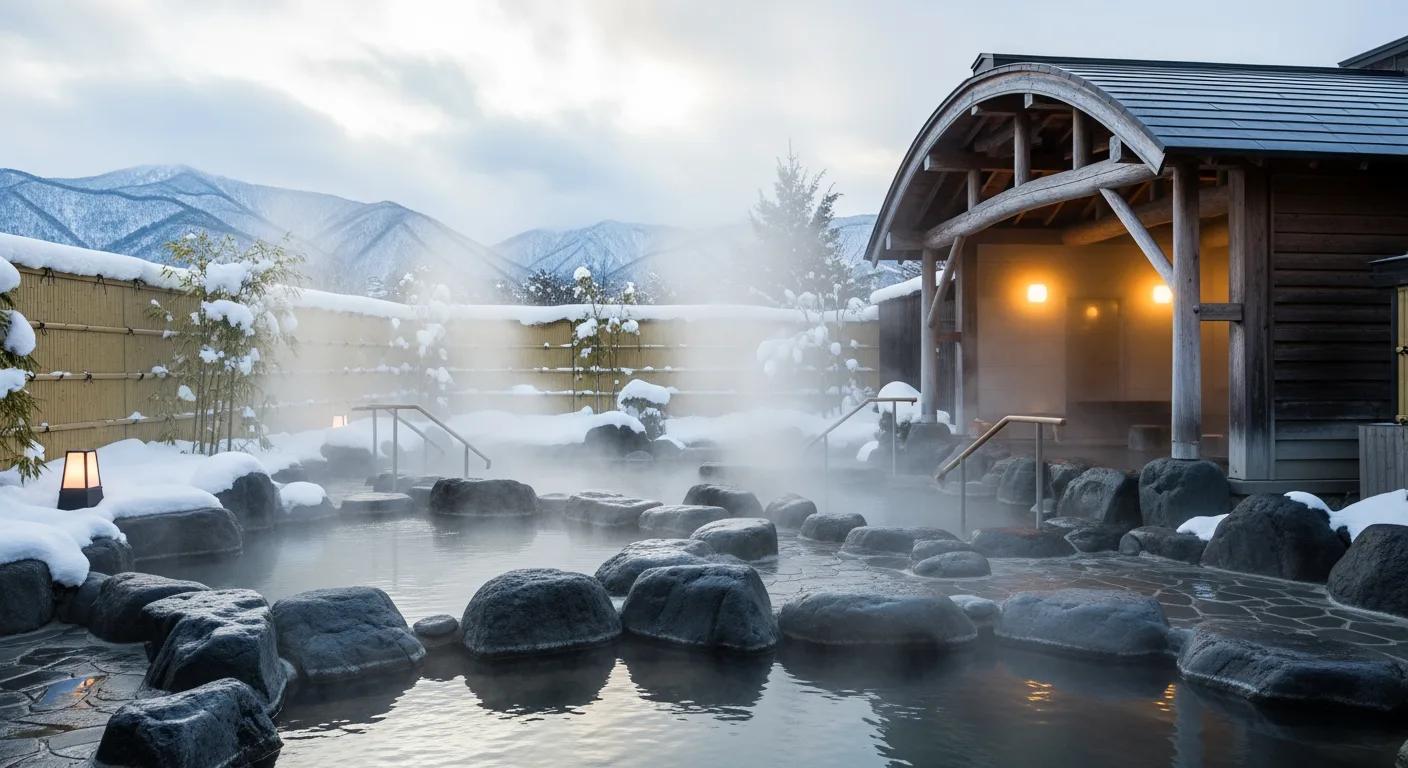
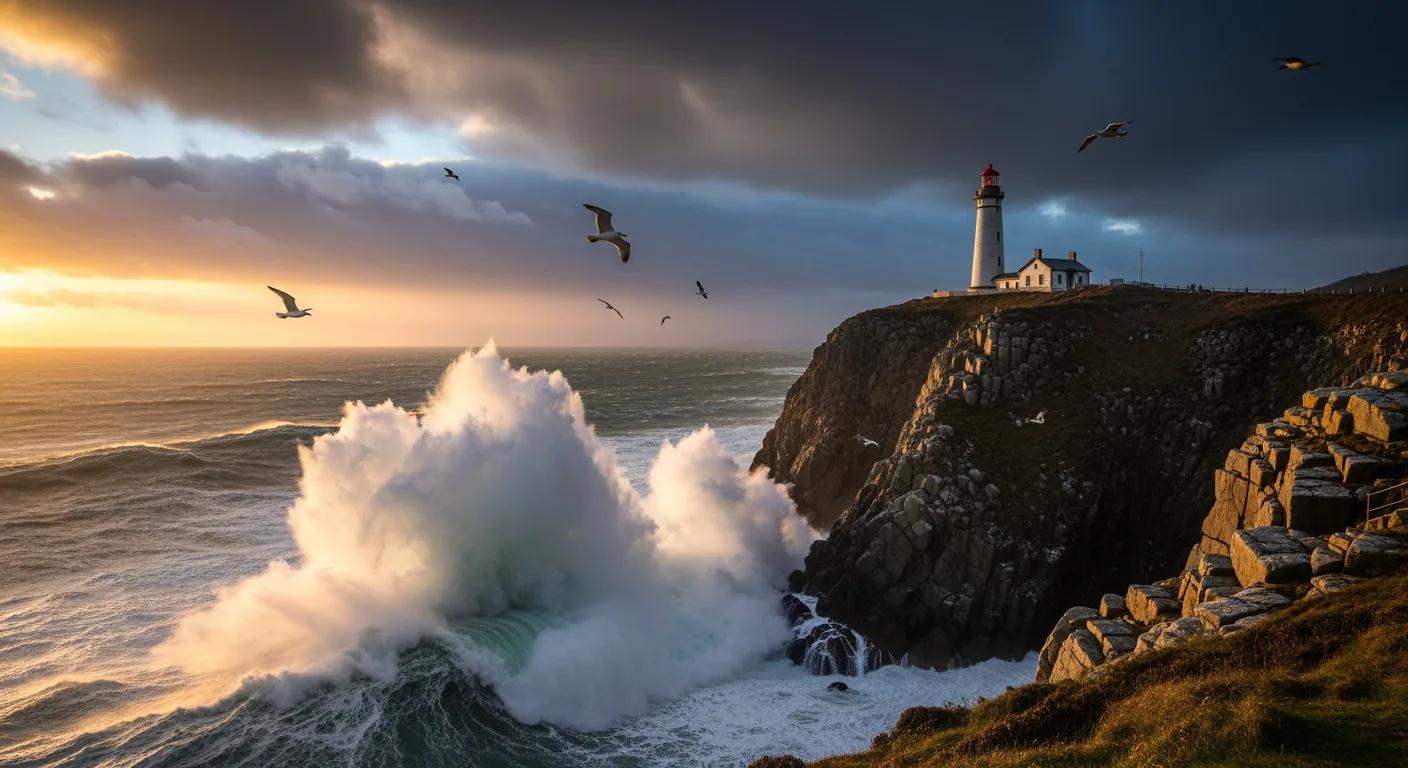
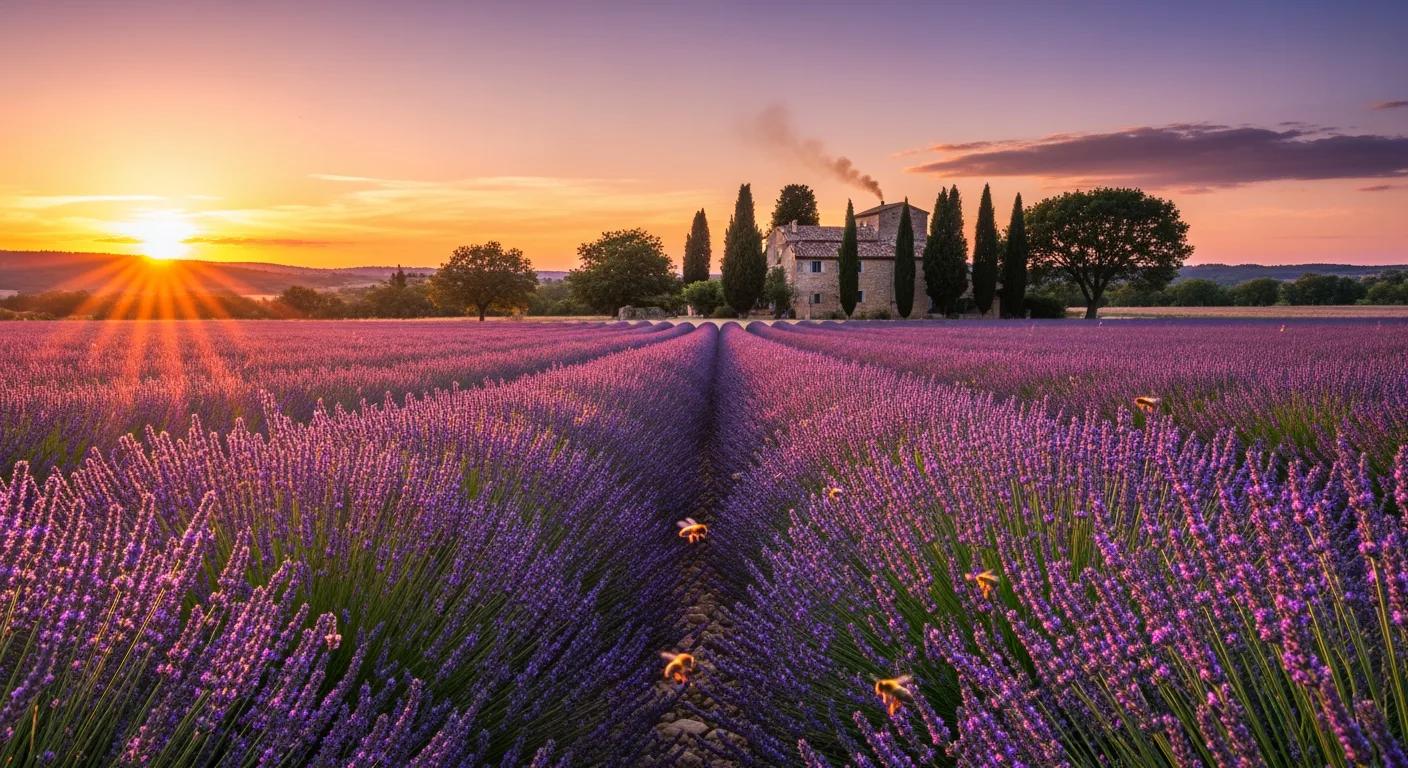
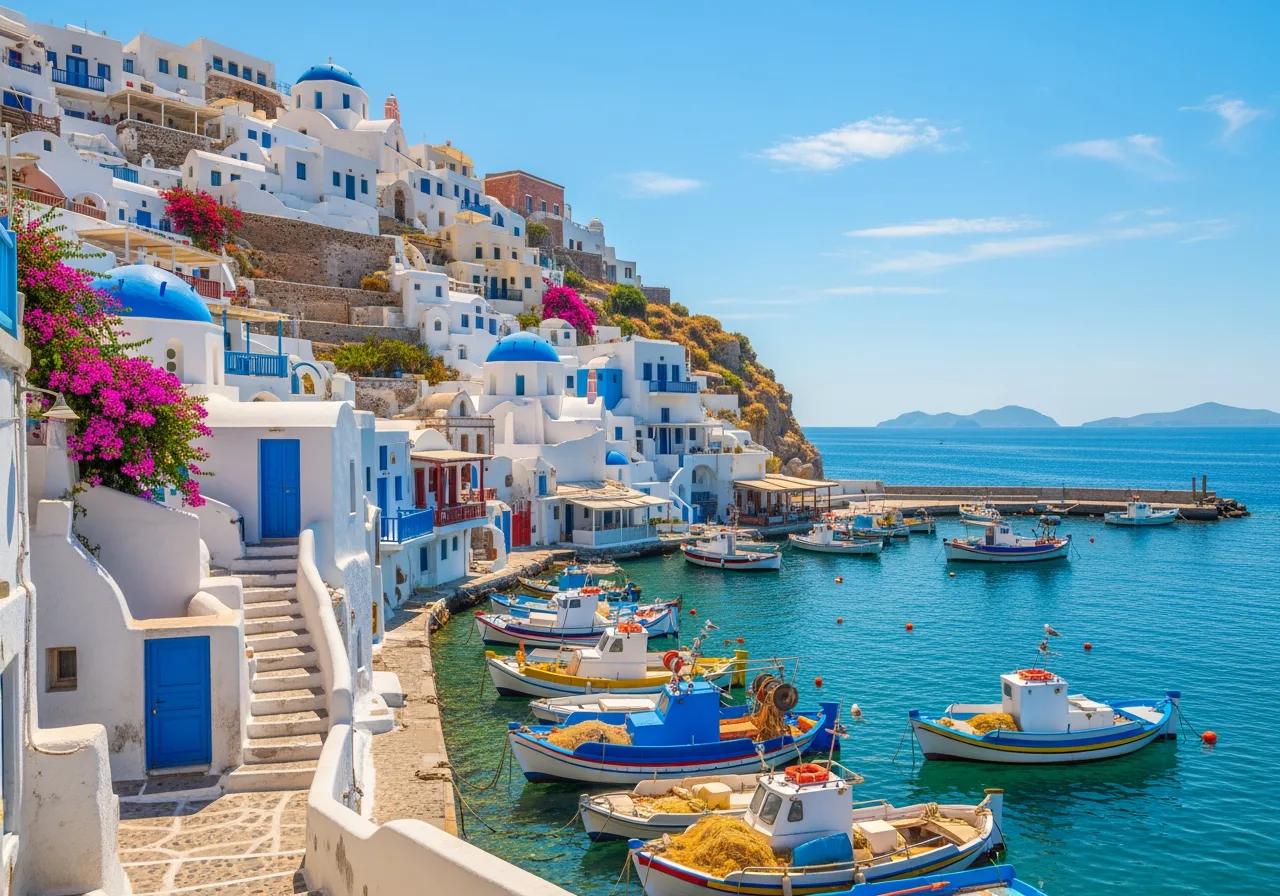
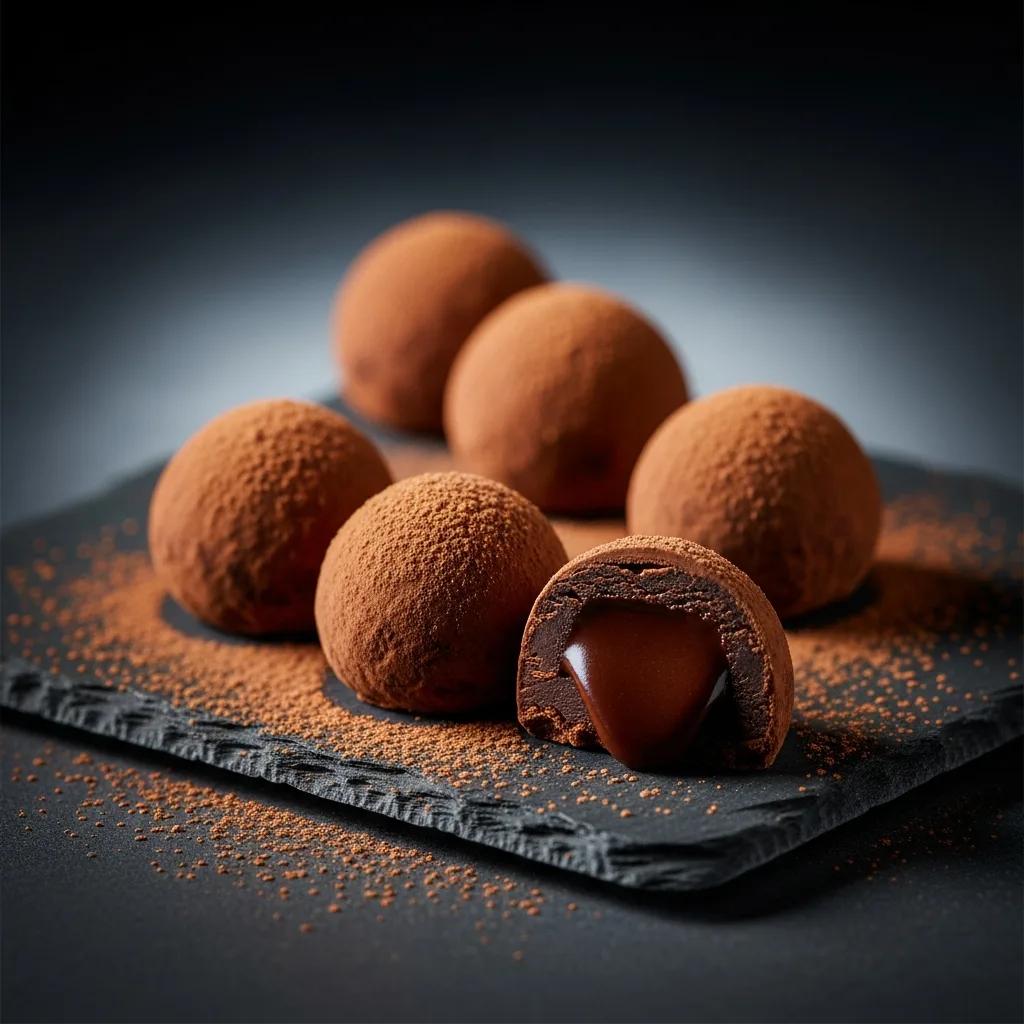
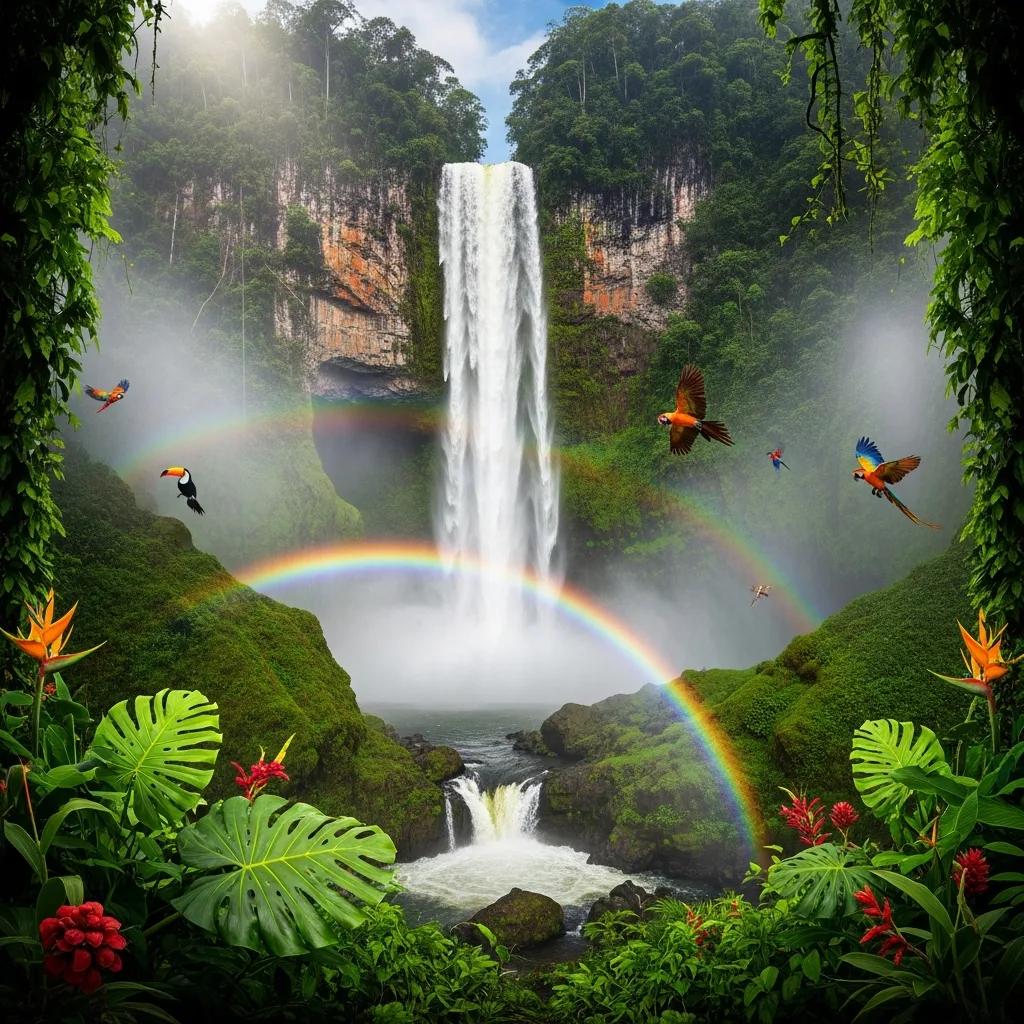
Google Imagen 4 is the epitome of creative AI image generation, with photorealistic output. It has enhanced effects, refined textures, and more detailing in images. This photorealism gives a quality that positions it as a better replacement for photography.
Text Rendering That Actually Works
One of the best things about Google Imagen AI is its text rendering capability. It differs from other AI image generators known for poor typography and distorted text; Imagen 4 can generate images with crisp, legible typography in various languages.
Latent Diffusion Transformer Architecture
Google Imagen runs on an architecture that combines a diffusion model and a transformer. The diffusion process ensures clean, high-quality pixels. The transformer is responsible for prompt accuracy, so the model can truly understand what you intend to generate.
Built-In Content Safety
The Google Image generator has configurable safety settings that allow users to filter potentially unsafe content. Users can also increase content safety with extensive filtering and data labeling. It has an imperceptible SynthID watermark to help identify it as AI-generated.
Key Features
Up to 2K Resolution
Google Imagen AI produces high-quality output up to 2048×2048 pixels. With this level of quality, creators and professionals can generate crisp, clean, and large-format visuals without the need for additional software for image upscale.
Advanced Text Rendering
Google image generator’s advanced text rendering features enable it to generate legible words, accurate spelling, and specific fonts in multiple languages. It broke the long-term curse of AI models producing messy and incorrect texts.
Fine Texture Detail
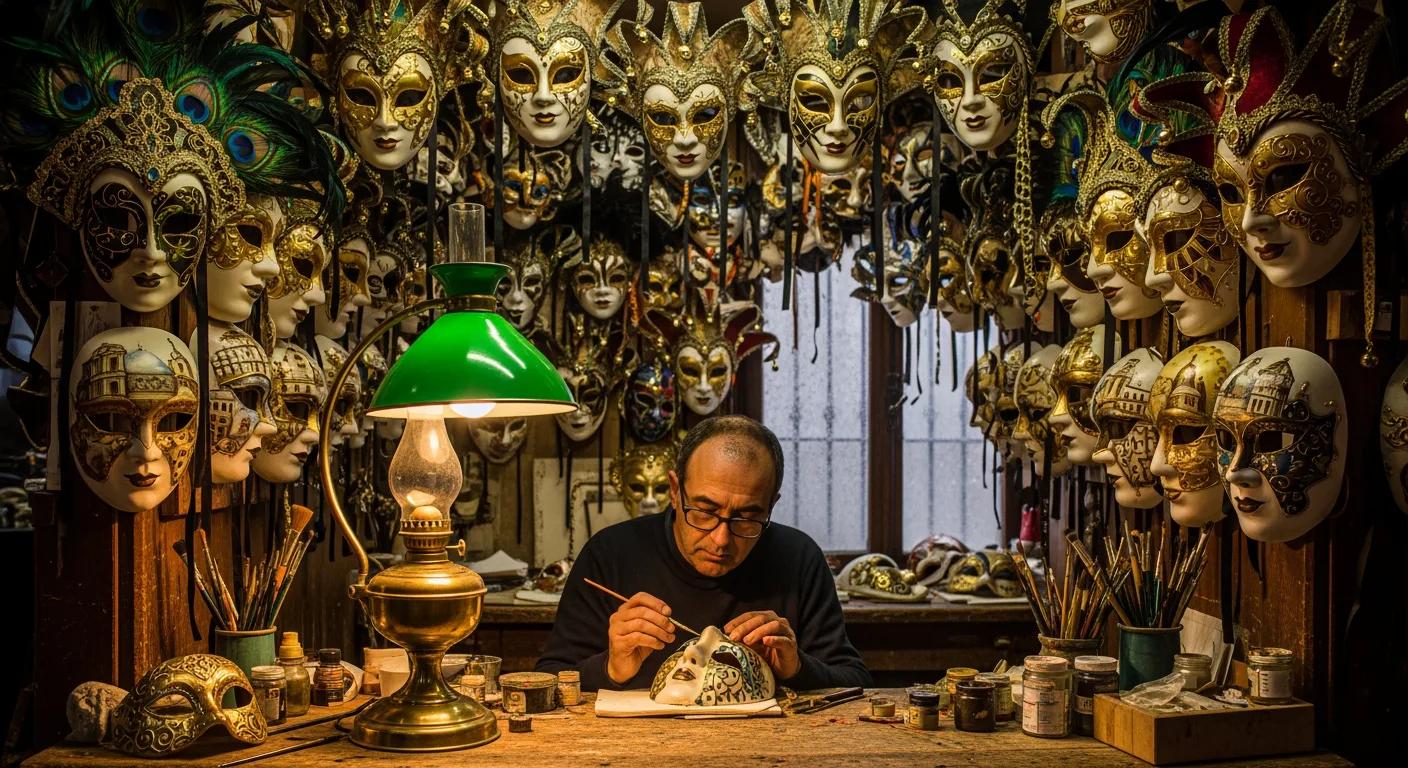
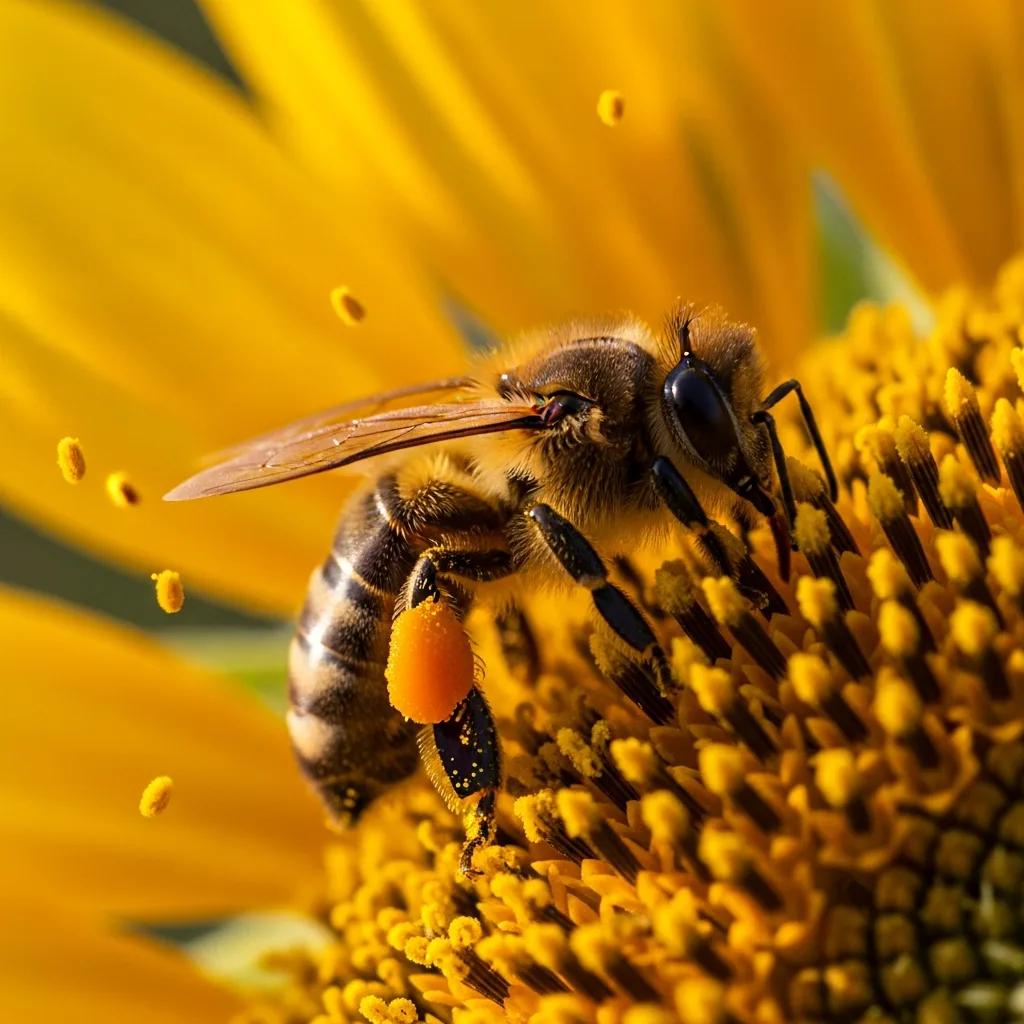
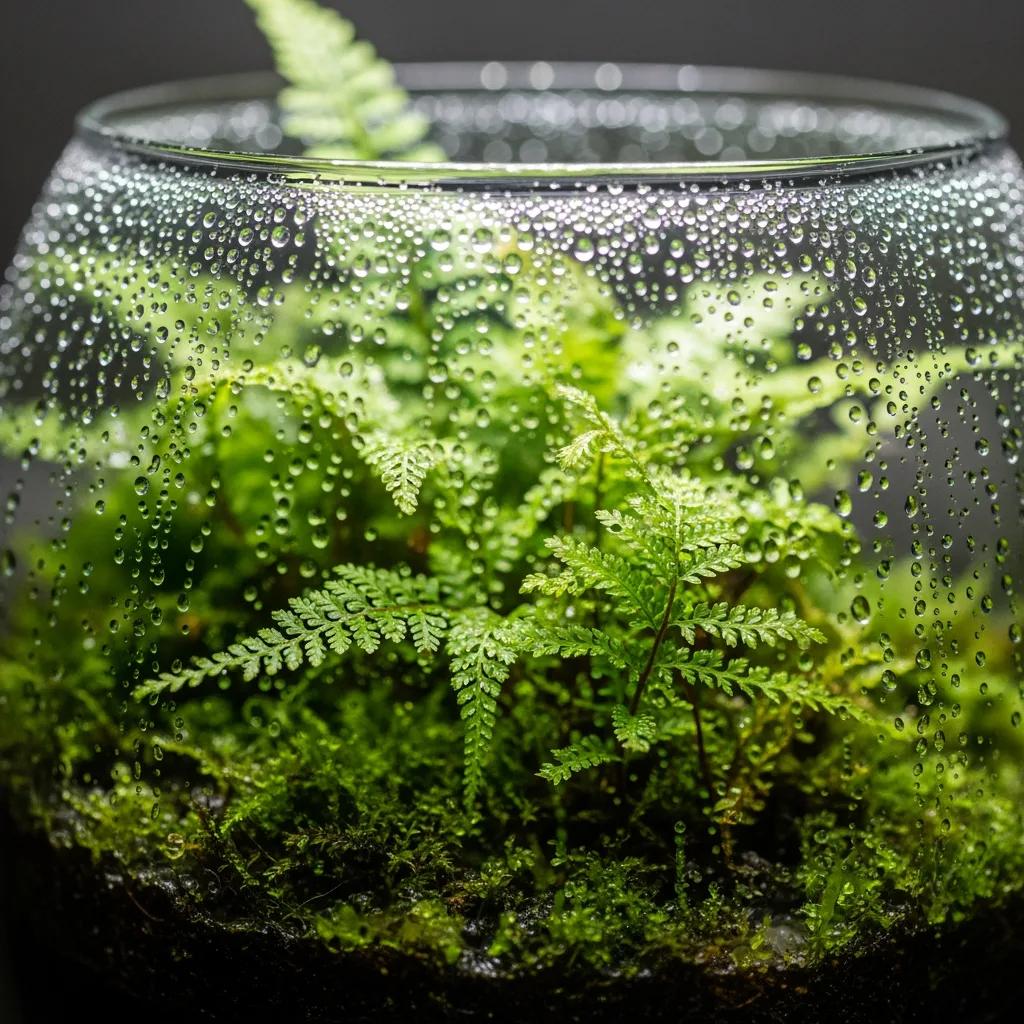
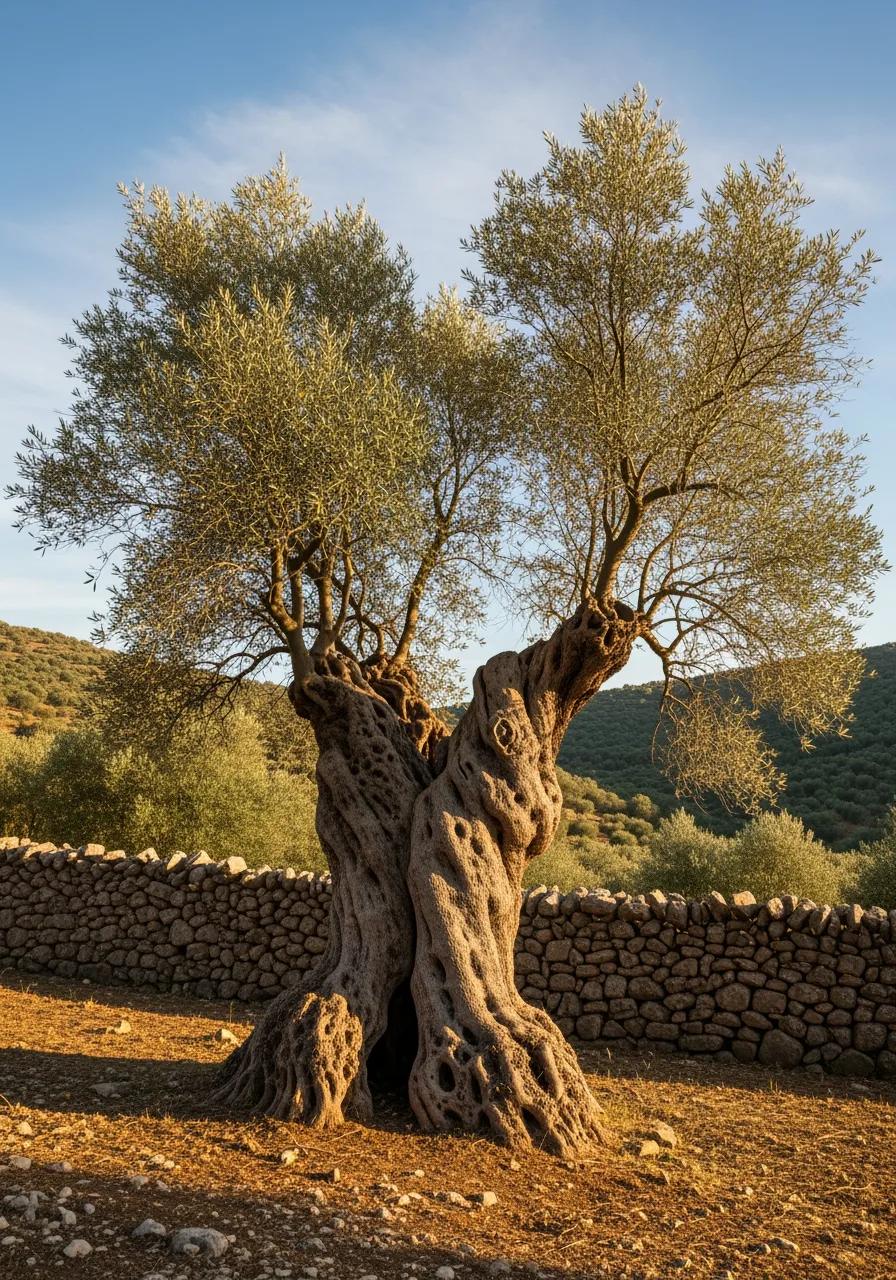
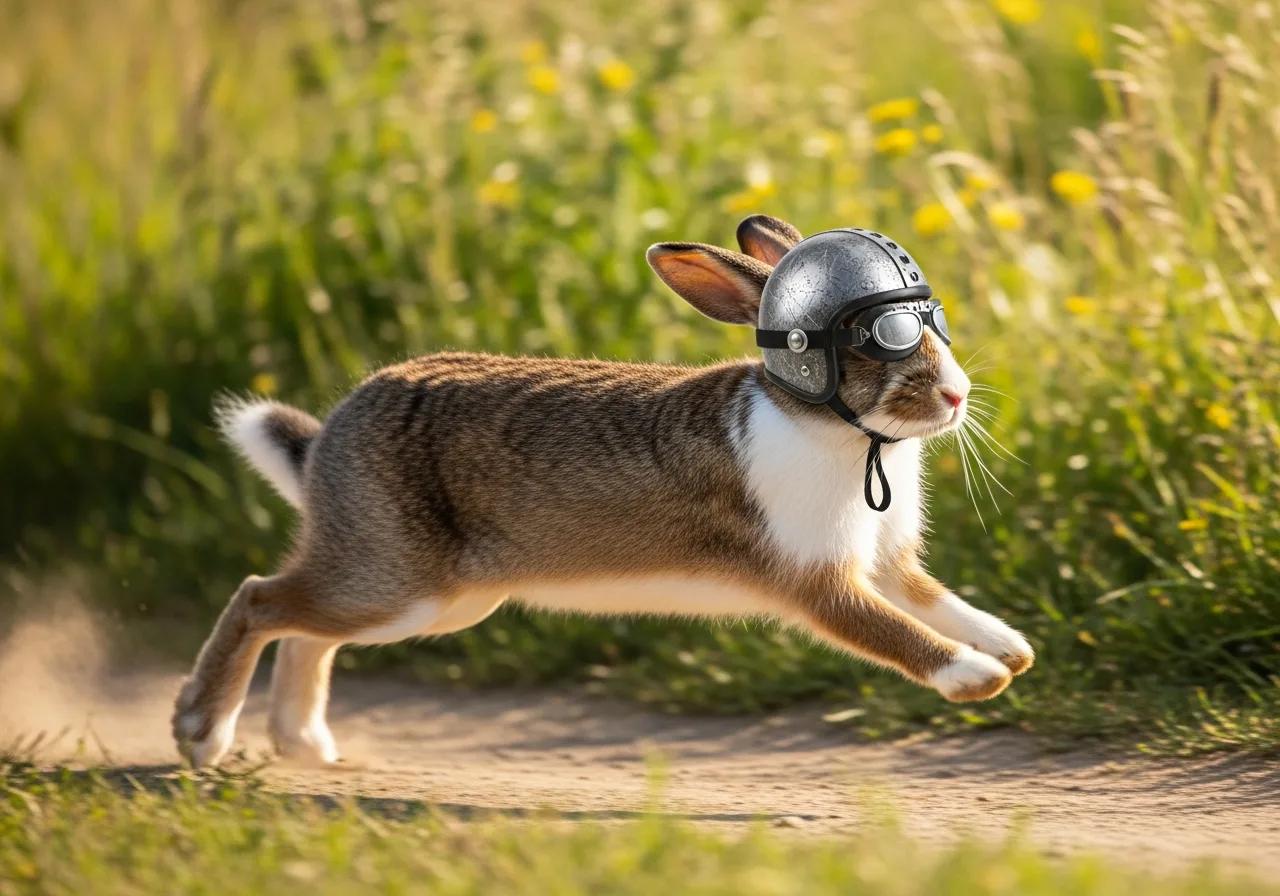
Google Imagen AI is designed to solve a common problem AI art models face by generating photorealistic images with fine-texture rendering. It shows the tiniest human features, depth, shadow, and surface texture.
Multiple Aspect Ratios
Imagen AI supports multiple aspect ratios, allowing users to create visuals suitable for different social media platforms and screens. The supported formats are square (1:1), portrait (2:3, 3:4, 9:16), and landscape (3:2, 4:3, 16:9).
Imagen 4 Fast
This variant is the high-speed version of Imagen 4 image generator. It is built to process high-volume production and enable fast creative iteration with reduced processing time. It is 10× faster than Imagen 3.
Style Versatility
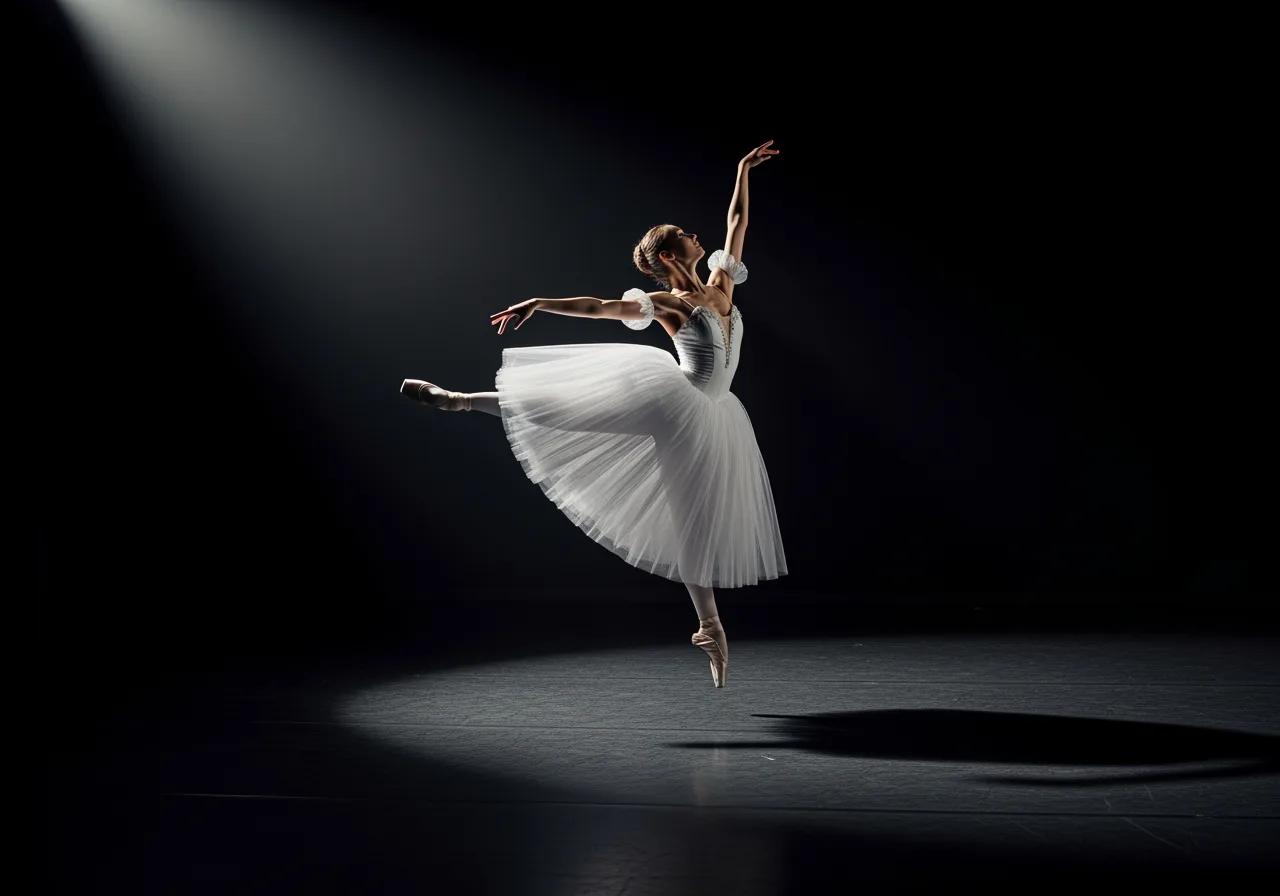
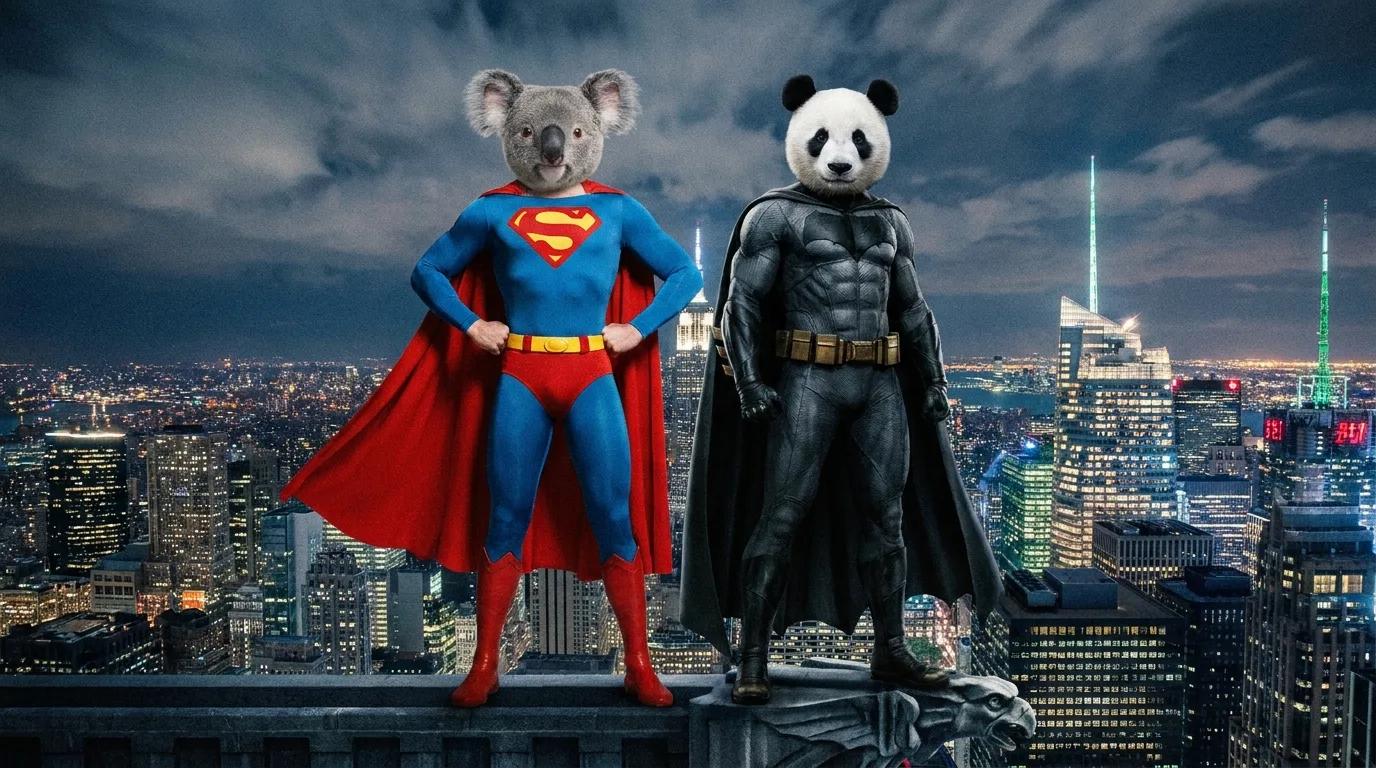
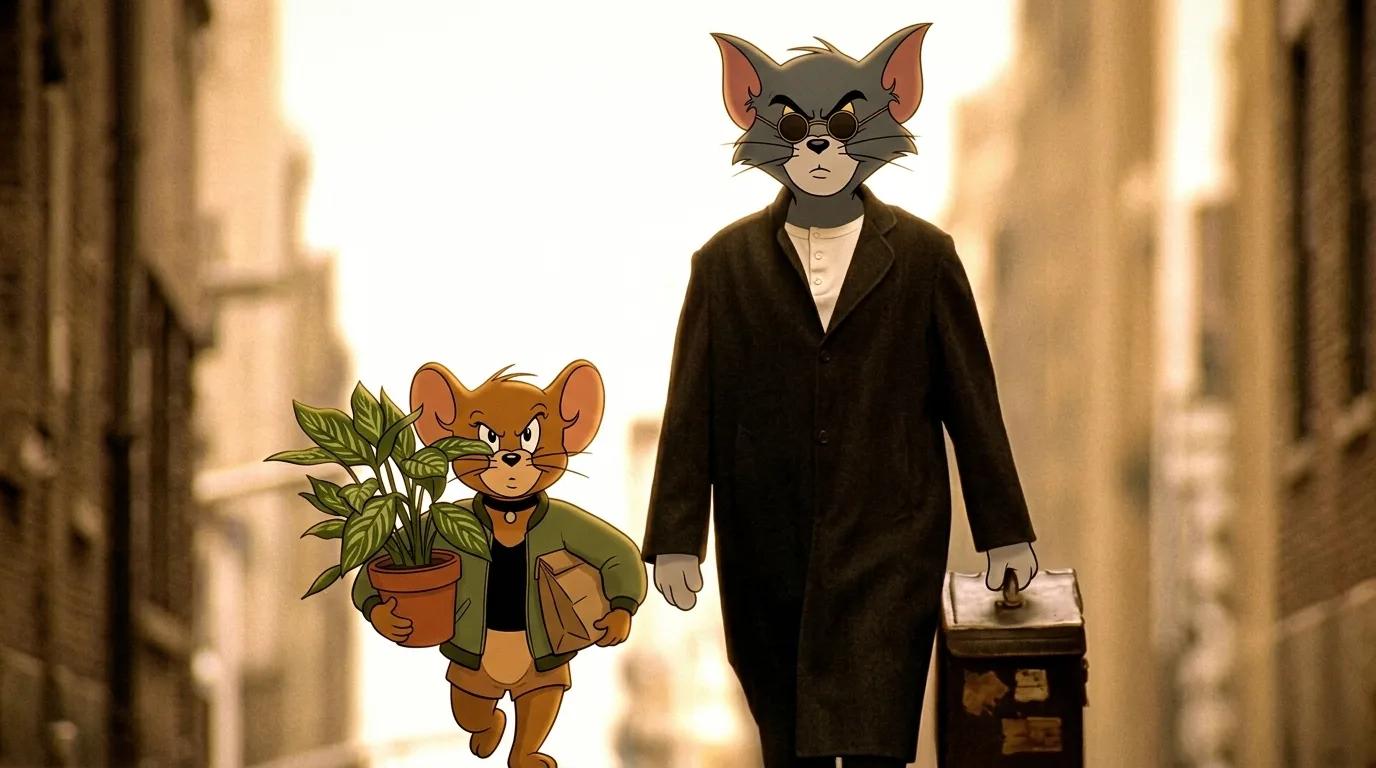
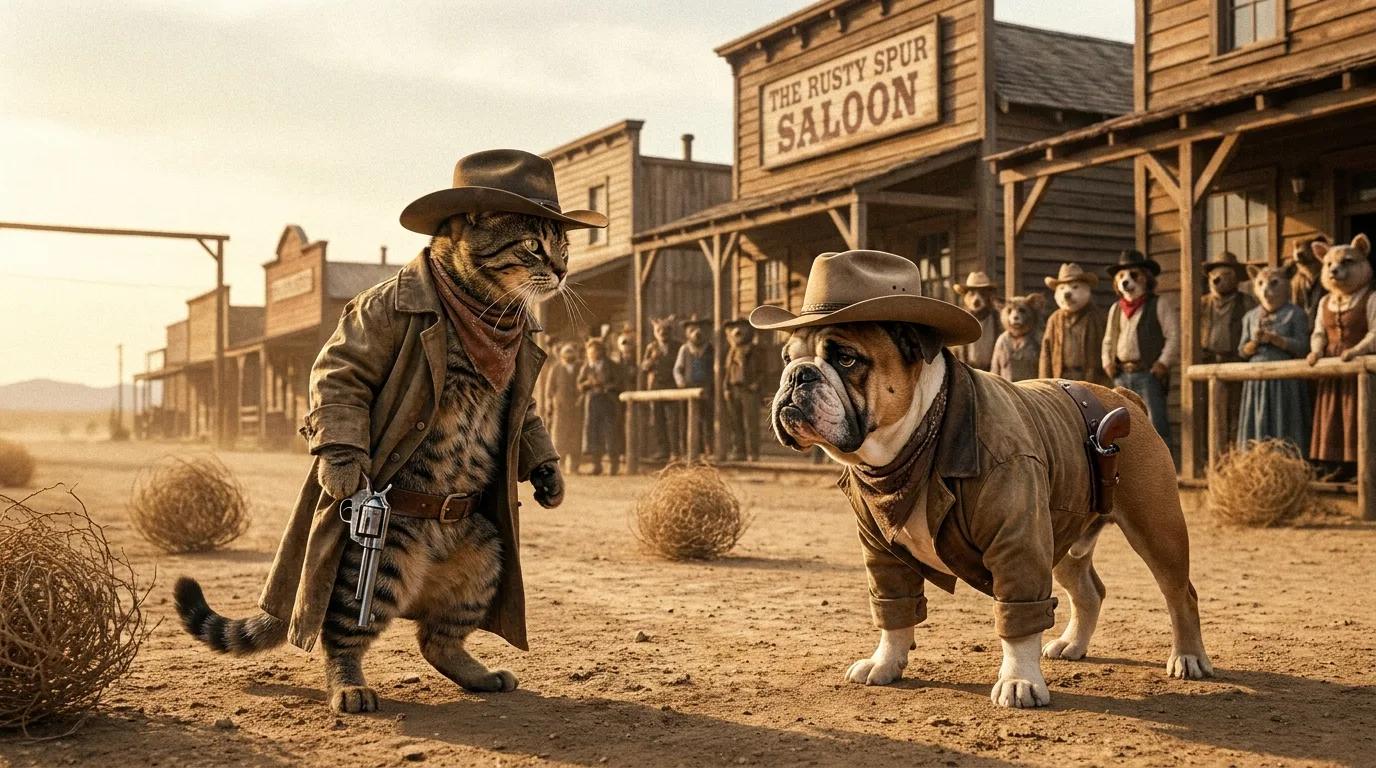
Google Imagen AI has the capability to create any art style as long as you can imagine it. You only need to enter text prompts, and the AI will generate vintage posters, 3D models, and realistic photographs.

How It Works
Three steps to your image

Write Your Prompt
Start writing the description of what you want in natural language. Ensure you specify details about the subject and other things like composition, lighting, and text in the image. You can check out prompt examples online for a better description.
Imagen Generates
The AI model uses a diffusion transformer to process your prompt and create an image from the text, producing a detailed and coherent output. It can handle complex prompts, so be as creative as possible with text instructions.
Download and Iterate
Now, you can export as PNG/JPEG. Also, you can do image review, and edit the prompt again to generate visuals in different styles or variations.
Imagen 3 vs Imagen 4 — Version Comparison
How Google's image generation evolved from Imagen 3 to Imagen 4.
| Features |  Imagen 3 Aug 2024 | Imagen 4 May 2025 | Imagen 4 Ultra Max Quality |
|---|---|---|---|
| Max Resolution | 1024×1024 | 2048×2048 | 2048×2048 |
| Text Rendering | Basic | Advanced | Best-in-class |
| Fine Detail | Good | Excellent | Maximum |
| Speed | Baseline | Standard | Slower |
| Imagen 4 Fast | 10× faster | ||
| Multilingual Prompts | |||
| SynthID Watermark | |||
| API Price | $0.03/img | $0.02/img (Fast) | $0.06/img |
Version Evolution Commentary
- Imagen 3 scores #2–3 on the global independent benchmarks, establishing Google as a photorealistic leader. The advanced version, Imagen 4, builds on Imagen 3 and offers enhanced fine-detail textures, 2K resolution support, and text rendering.
- For model comparison, Imagen Fast delivers a 10× improvement over Imagen 3 in rapid prototyping, bulk generation, and social media content. Additionally, it is cost-effective at $0.02 per image using the API.
- However, if you want the highest quality, details, and model with the best prompt adherence, Imagen 4 Ultra is your best bet. The output from this variant is suitable for print materials, hero images, and professional creative work.
Before and After — Prompt to Result


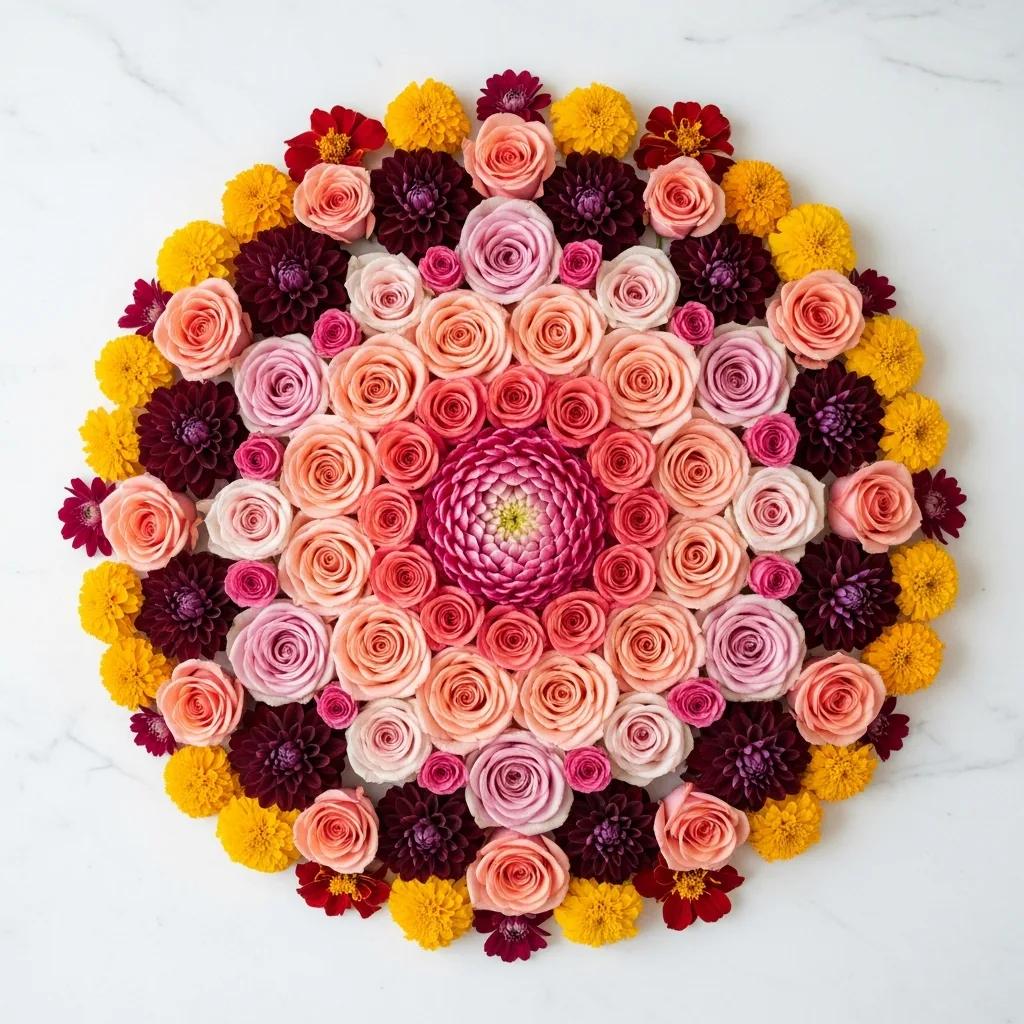
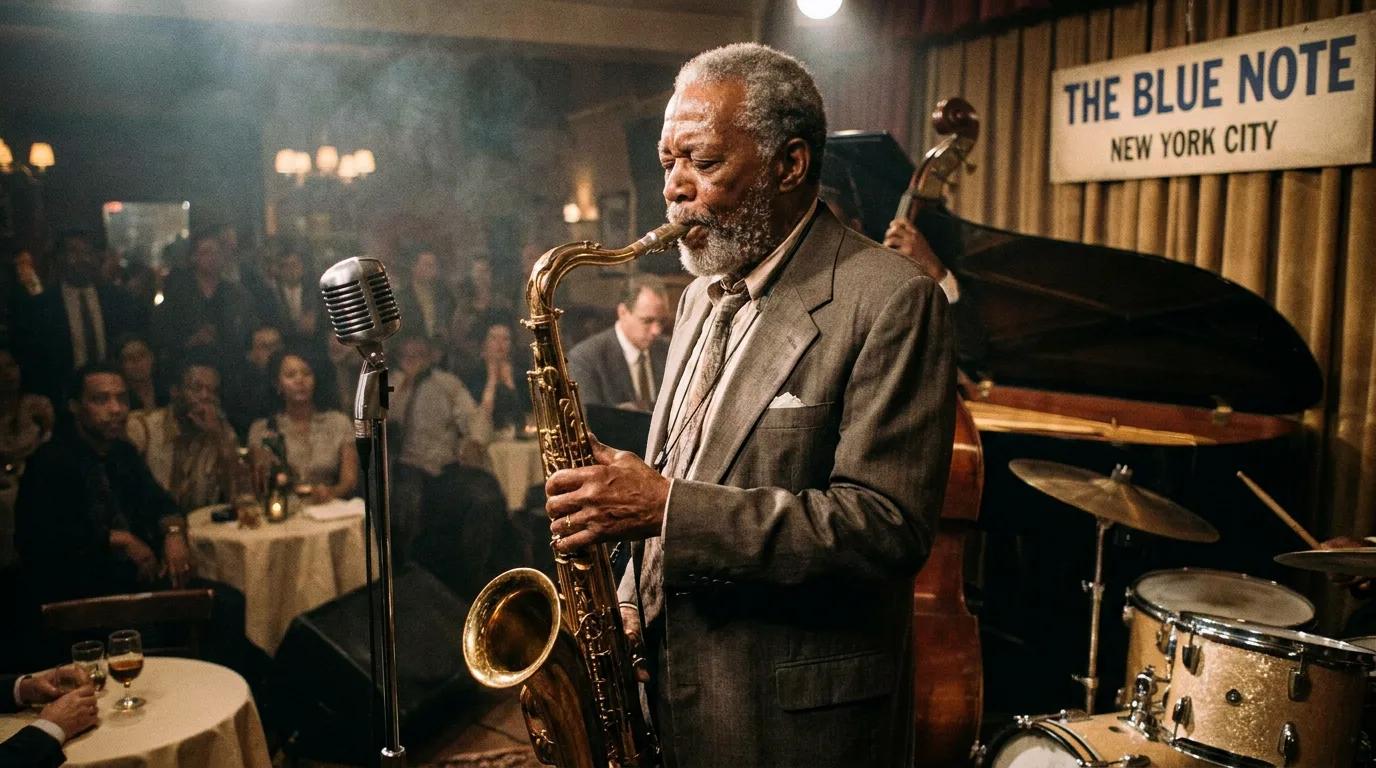
Simple Prompt
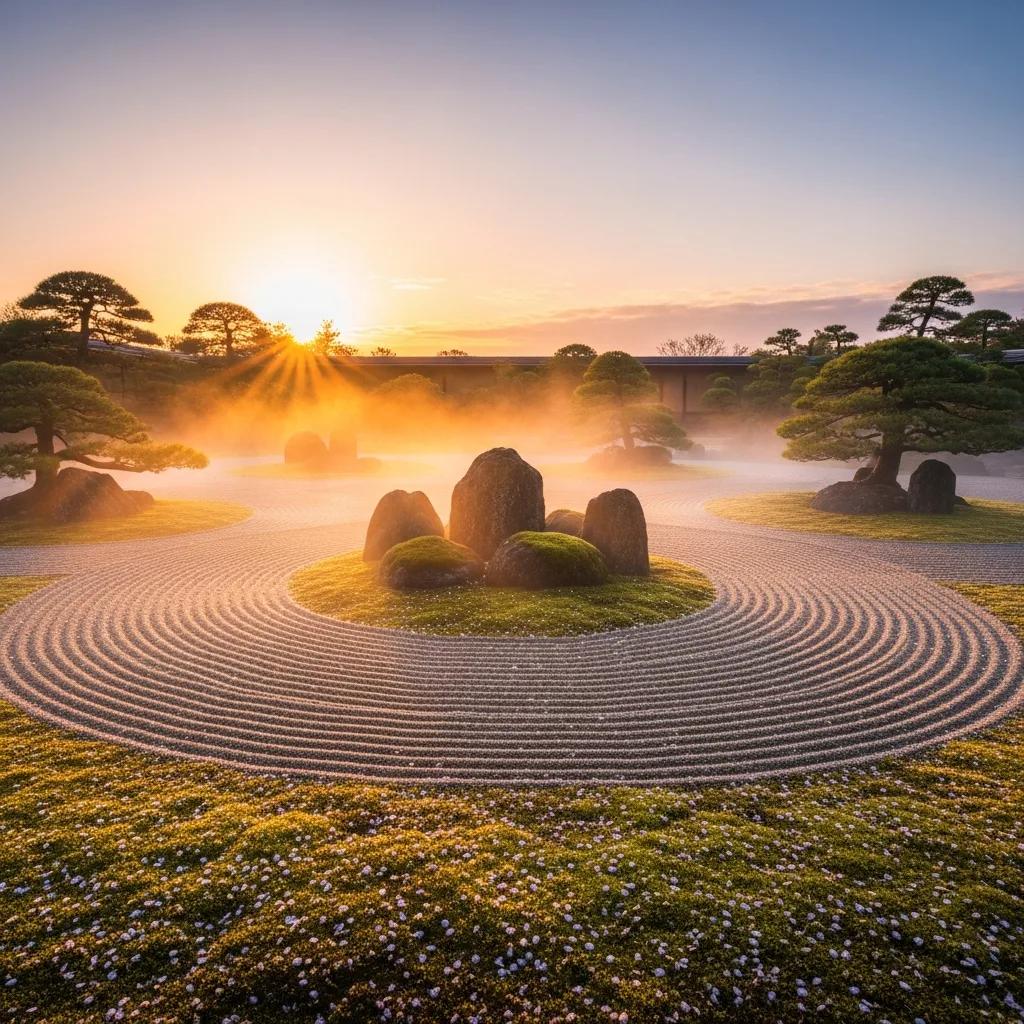
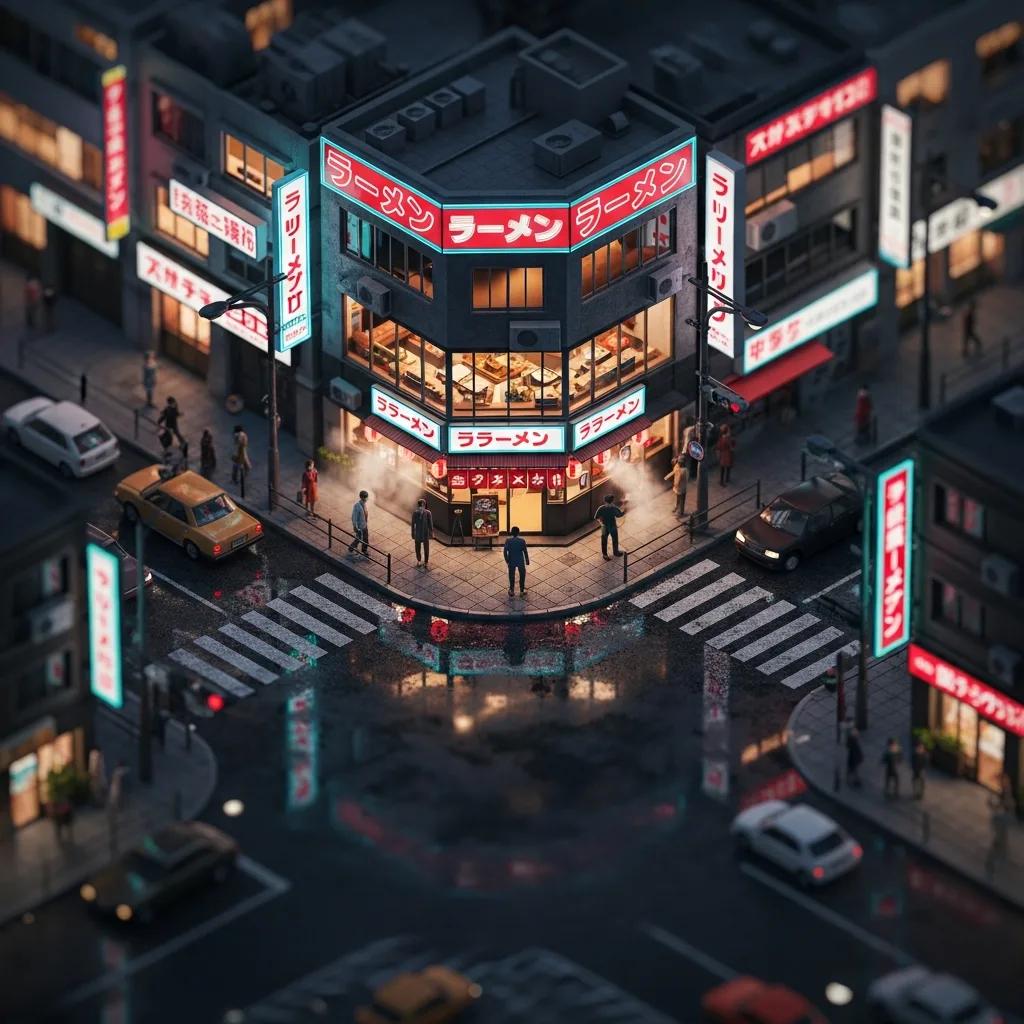
Photorealistic Scene
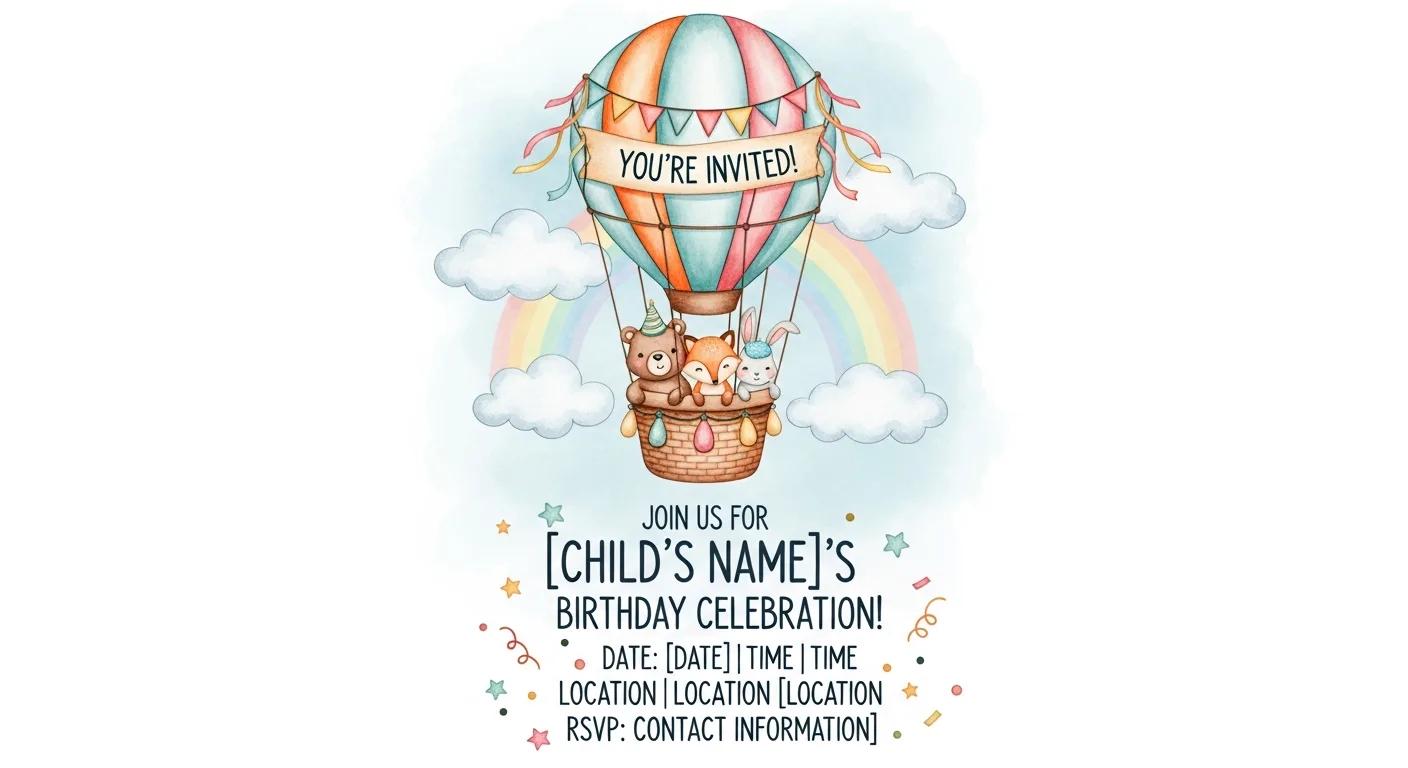

Typography
Clean text rendering
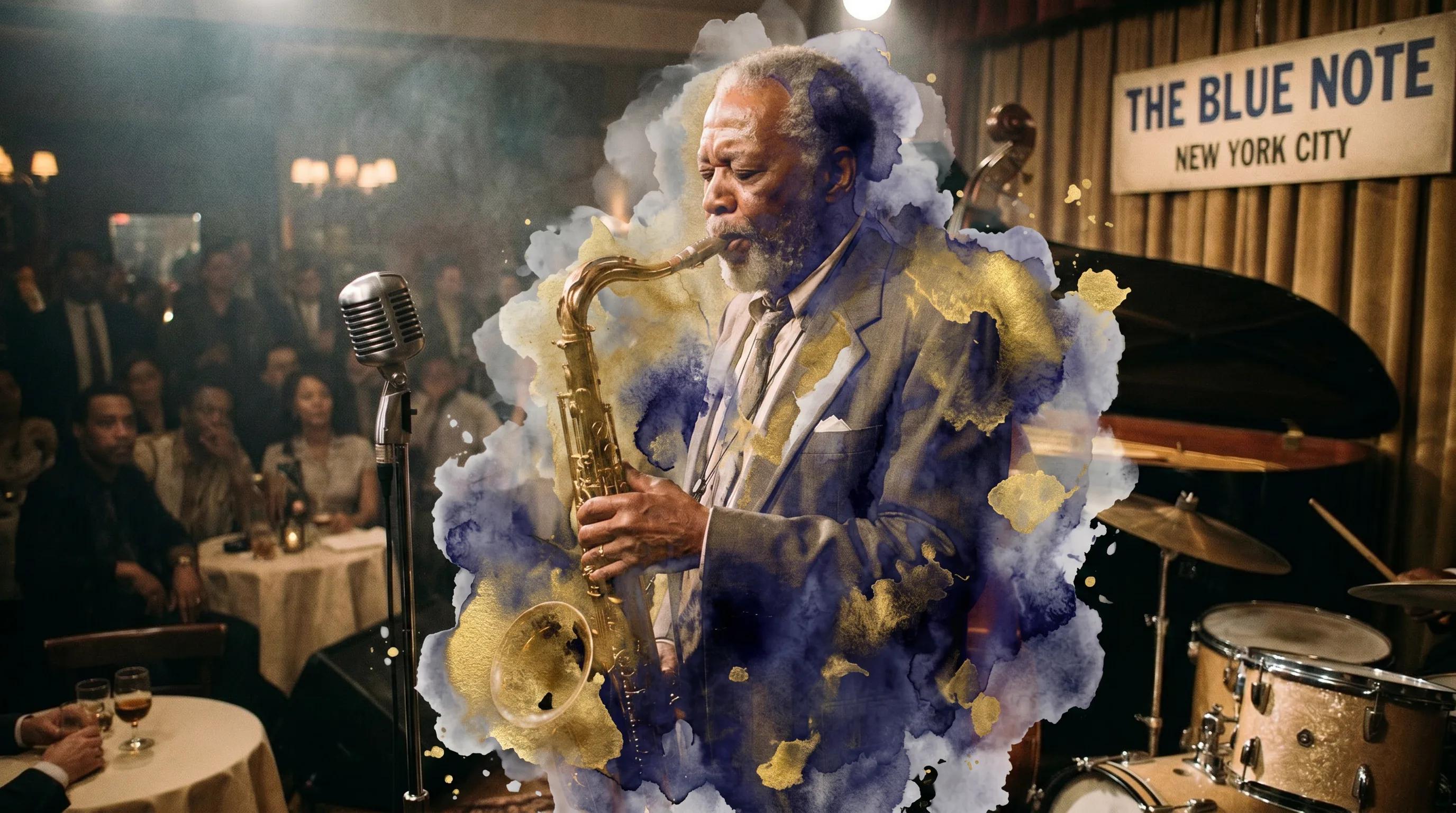
Artistic Output
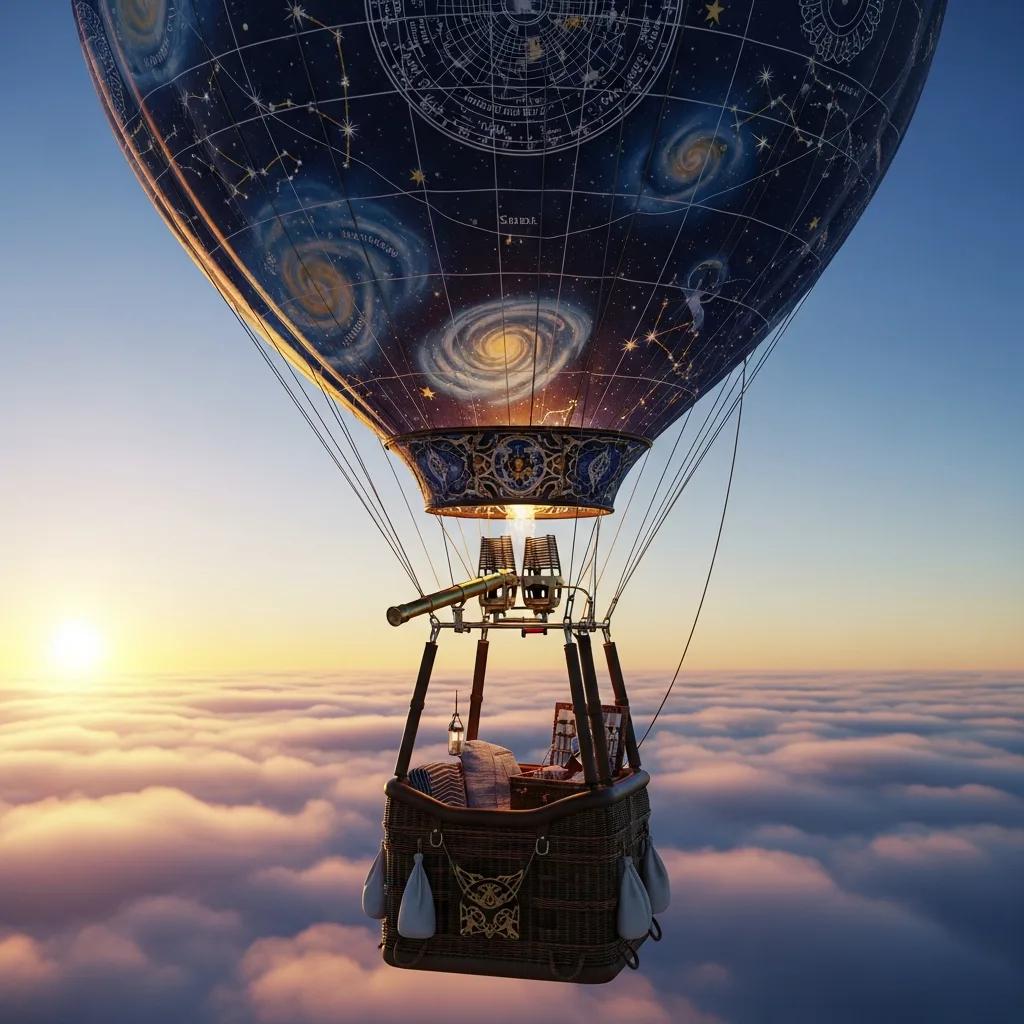
Artistic styles


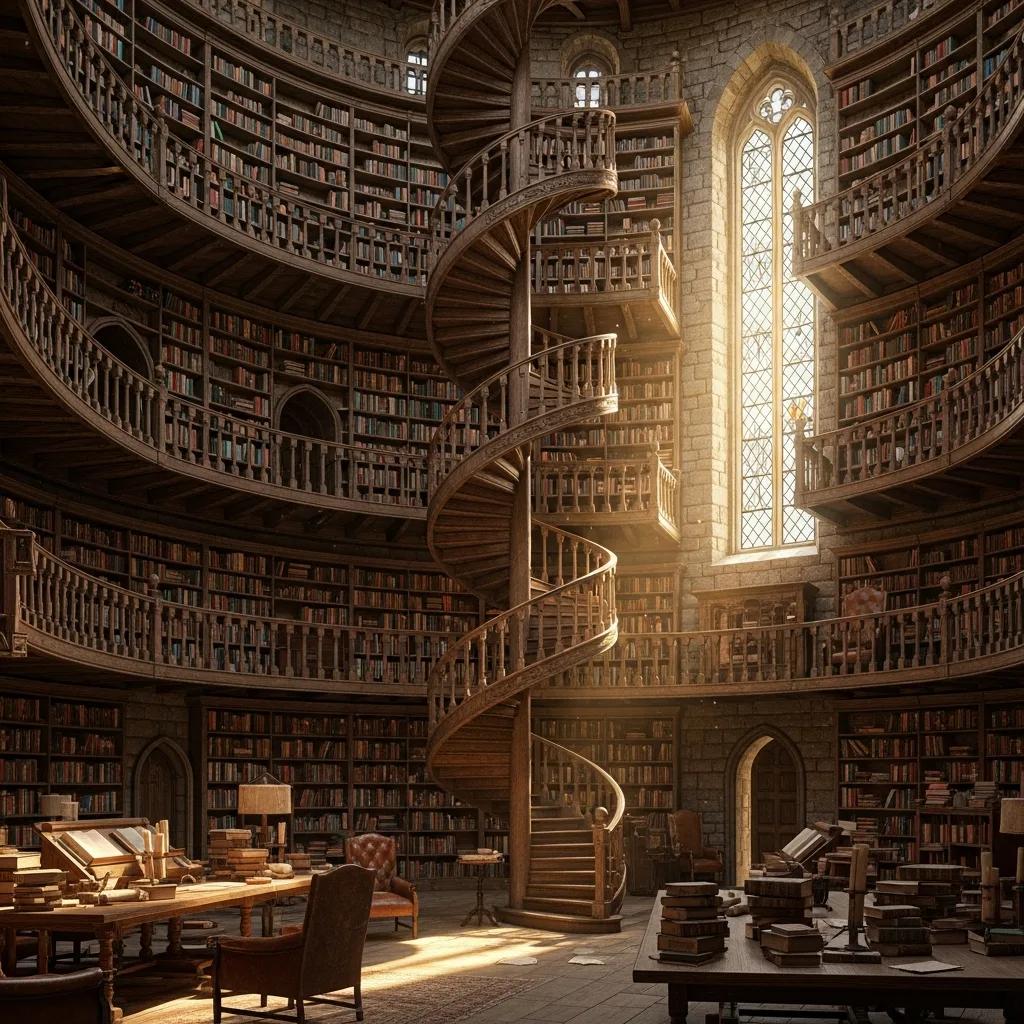
Detailed Scene
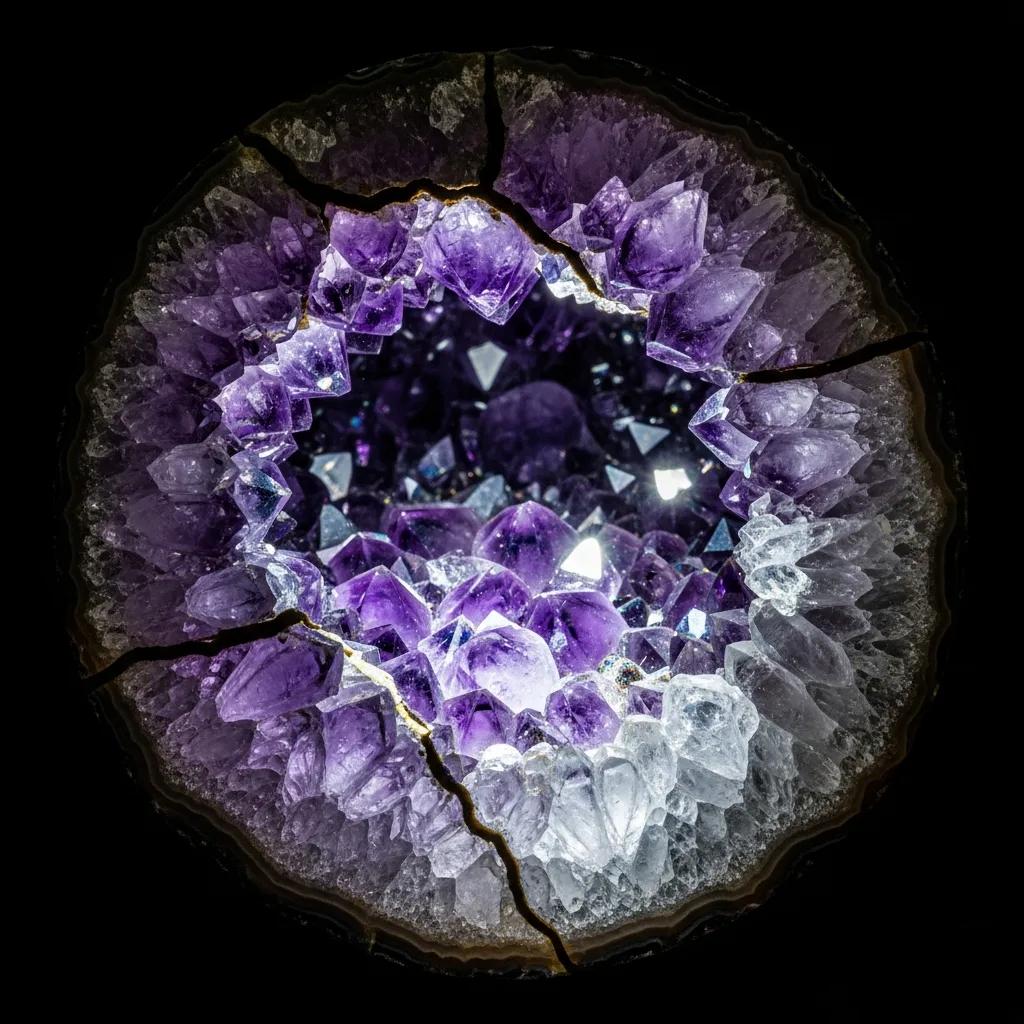
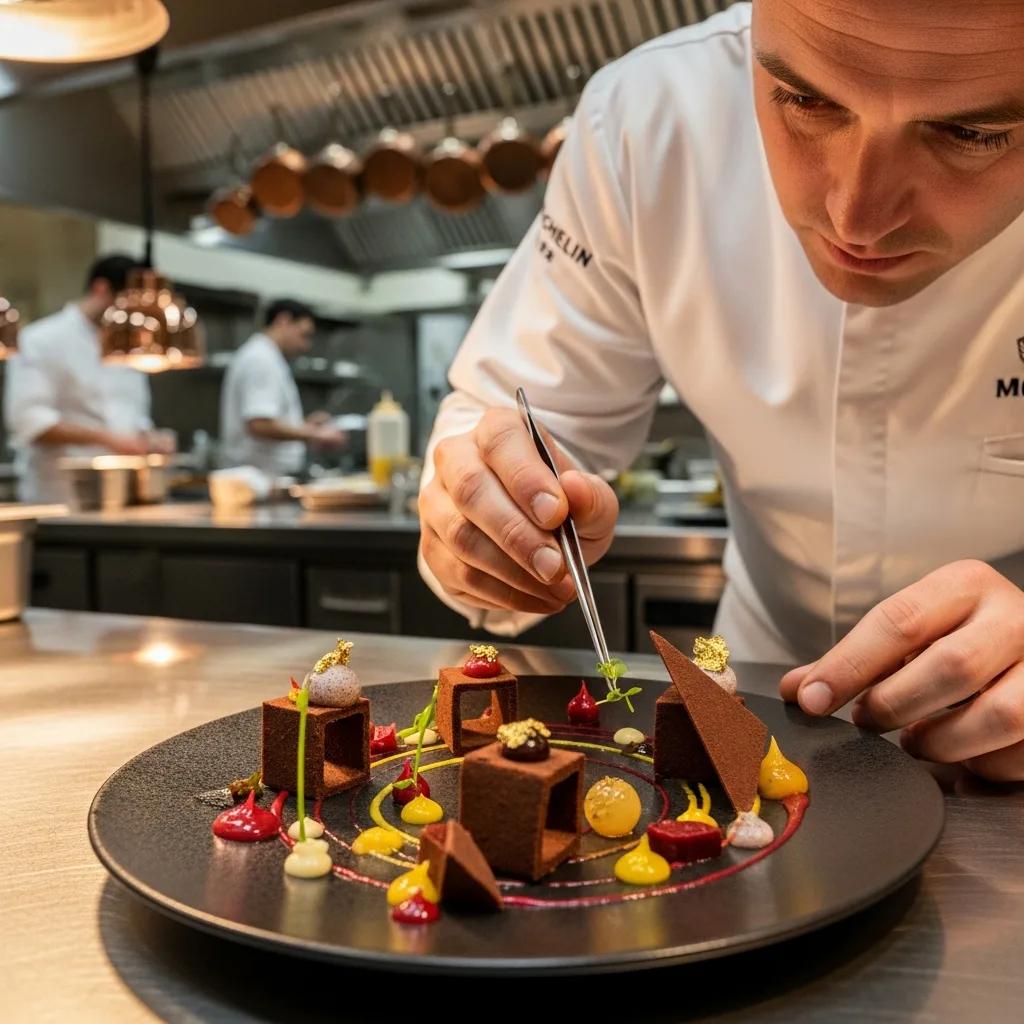
Micro-texture detail
How Creators Use Google Imagen
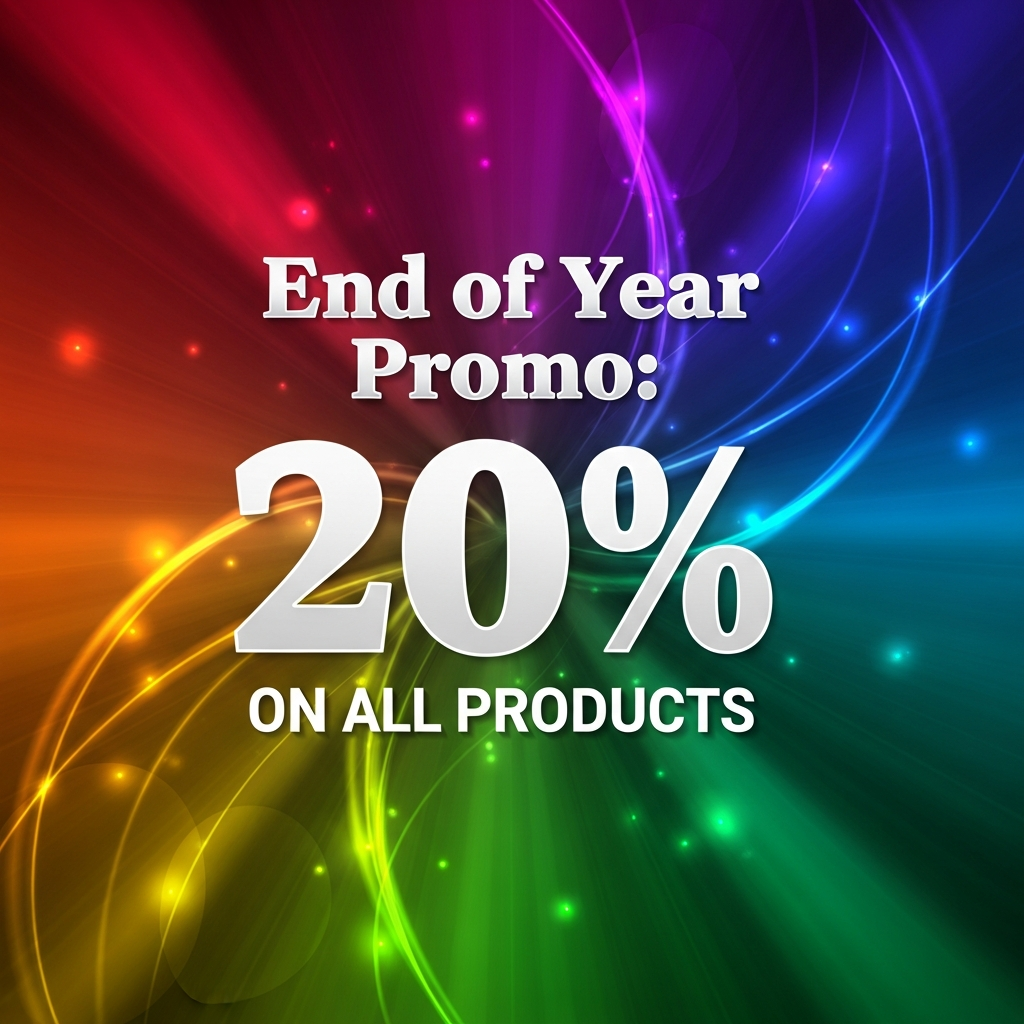
Marketing & Advertising
Google Imagen is a powerful tool for advertising and marketing. You can generate photorealistic output to edit backgrounds, image assets, and on-brand visuals. The text rendering feature also makes it easier to combine imagery and text. In addition, you can generate assets in a specific format.
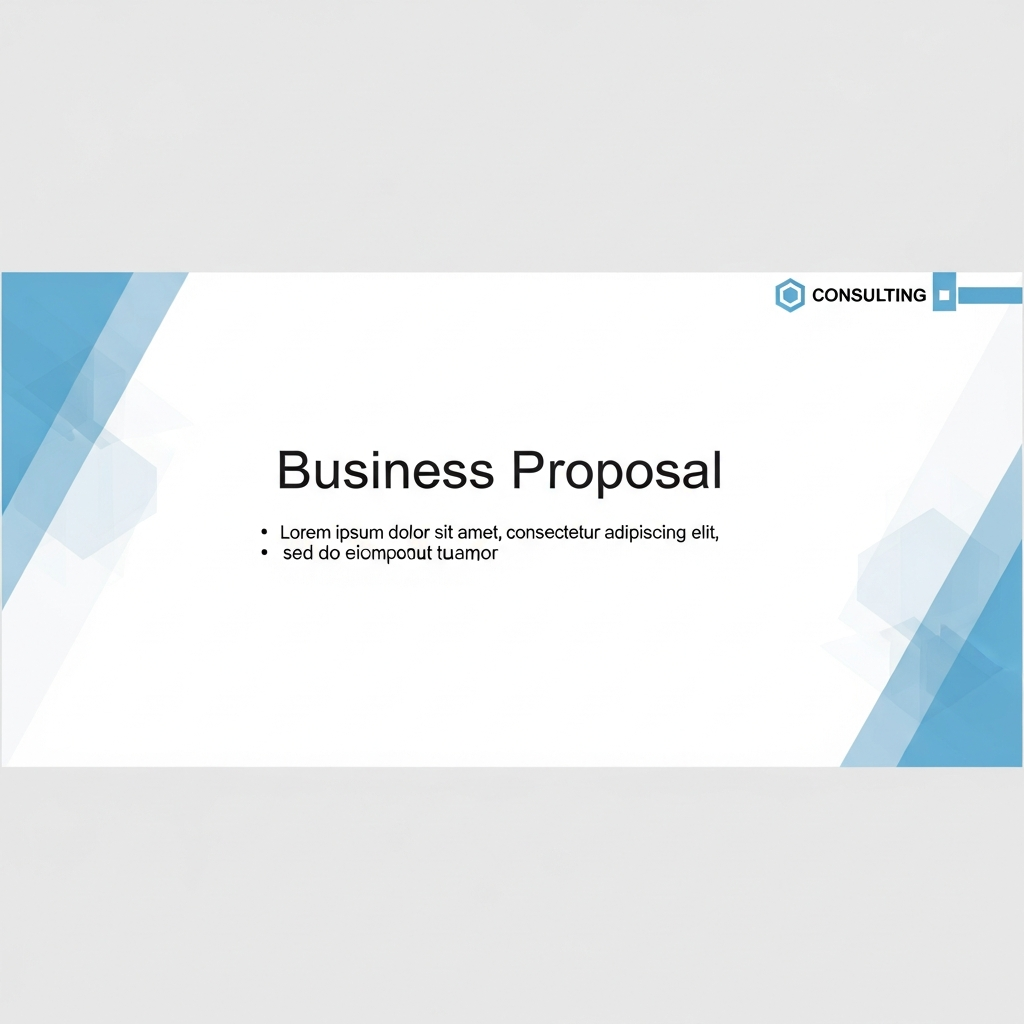
Presentations & Documents
Imagen AI is integrated into Google Workspace, so it becomes easier to create and insert custom visuals into slide decks, reports, and professional images.
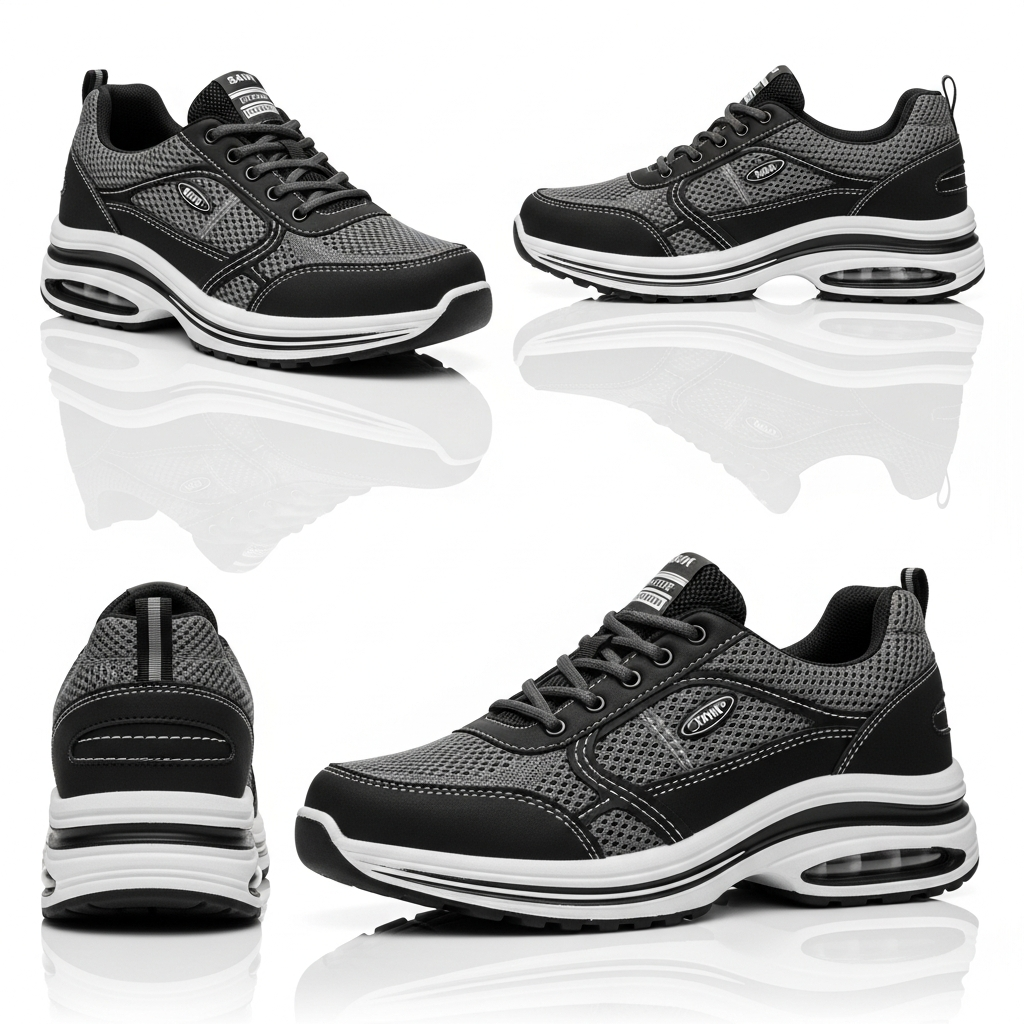
E-Commerce & Product Shots
Google Imagen AI model is a creative tool that helps e-commerce businesses generate professional product photography. Users only need text prompts to generate visuals without expensive studio equipment.

Social Media Content
Google Image Generator can help generate photorealistic visuals from a simple text prompt. You only need to describe what you want, and it will generate it. Users can generate these high-quality visuals for different social media platforms by specifying the aspect ratio.
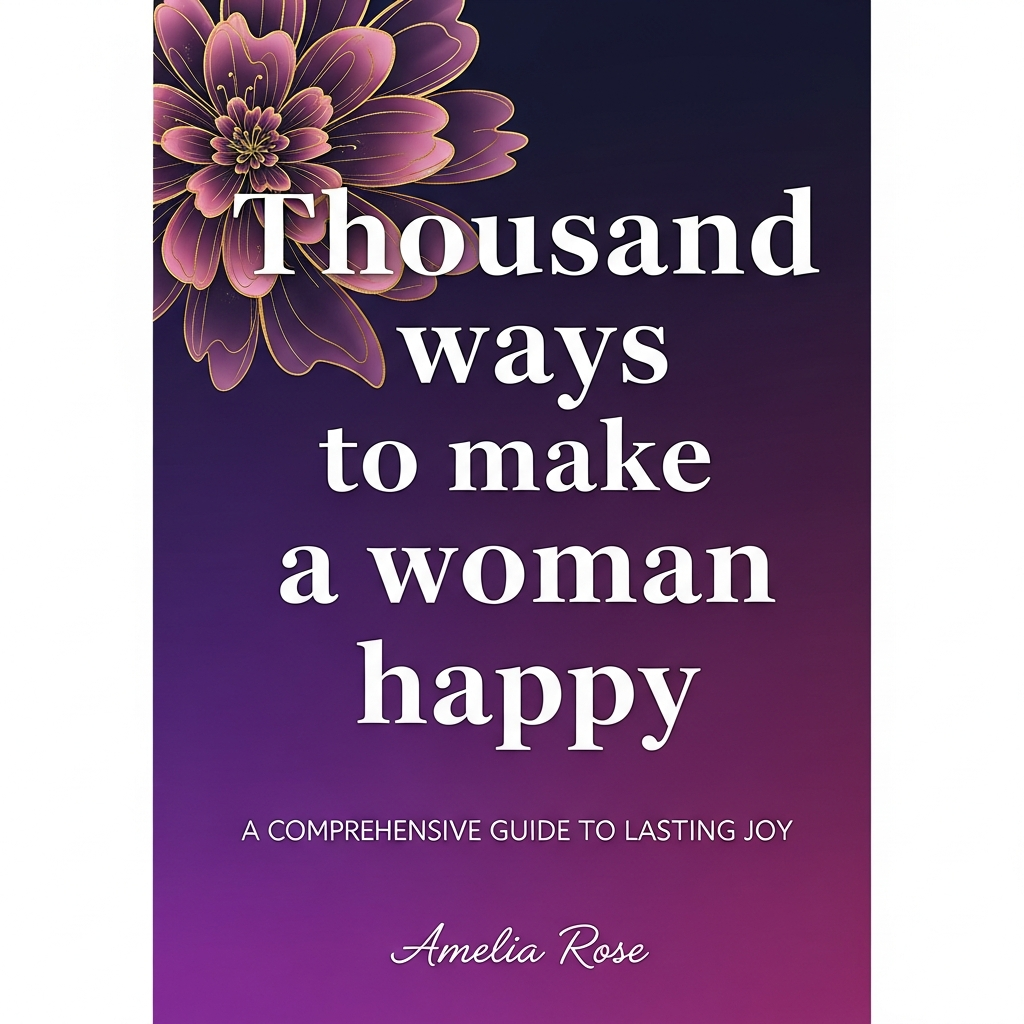
Print & Publication
The AI model supports higher resolution, so users can generate high-quality and photorealistic outputs for printing and publications. For example, travel posters, magazines, book covers, and illustrations.
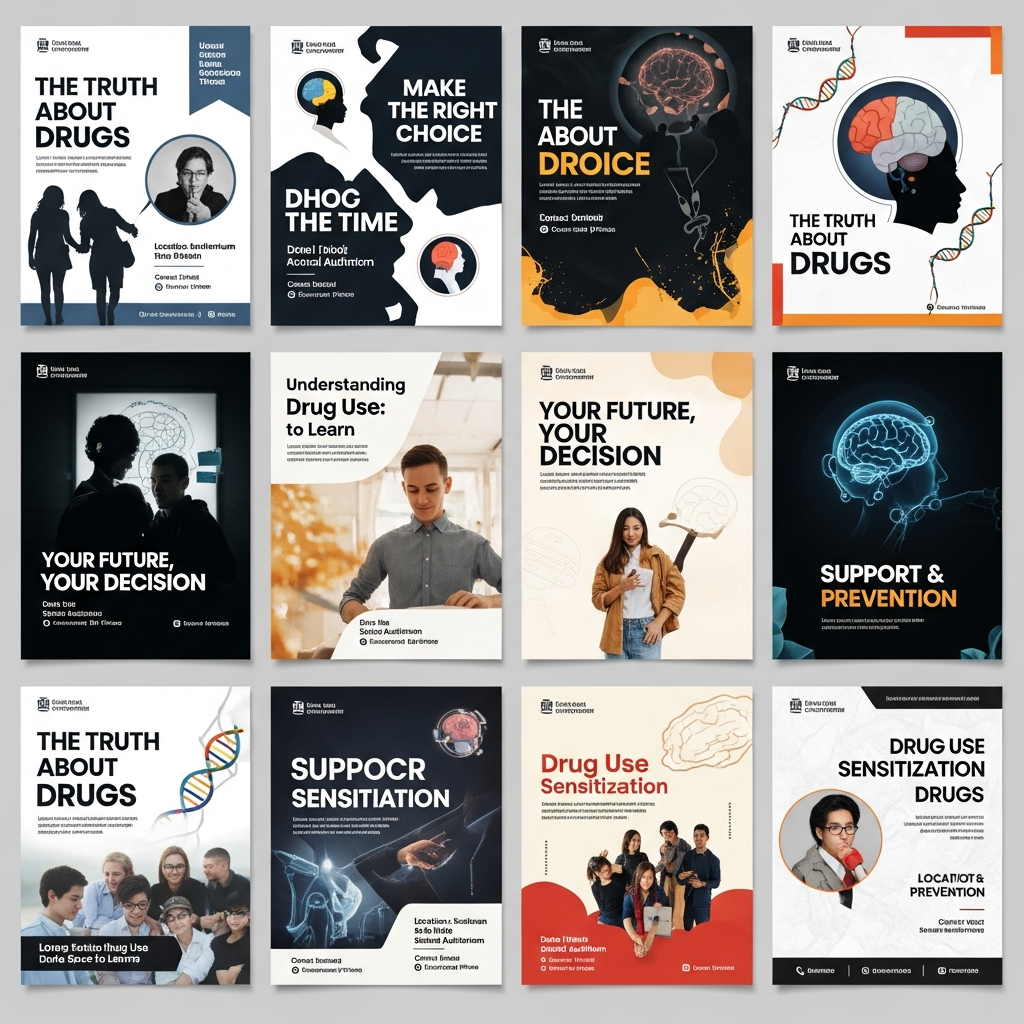
Rapid Prototyping
Imagen 4 Fast supports batch generation of visuals at $0.02/image. This means you can generate visuals in bulk or try different variations before choosing one.
Why Creators Choose Google Imagen
Google’s Best Image Model Ever
Imagen 4 is the height of image generation research by Google DeepMind. There have been several versions since the first one, Imagen 1, to the present three variants, each suitable for different needs. Each version has gone through a transformation over the years.
Imagen 4 is our highest quality image generation model yet.
Detail That Rivals Photography
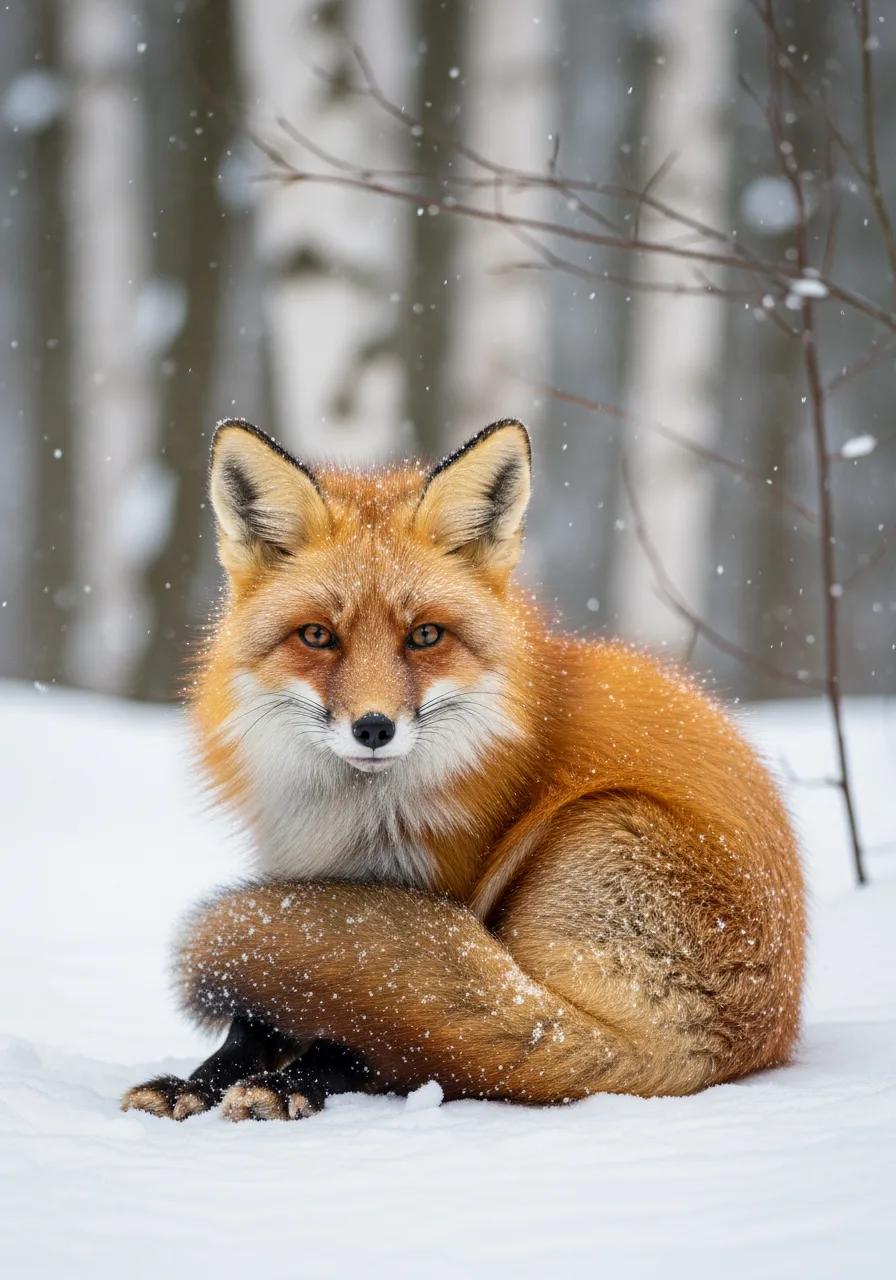
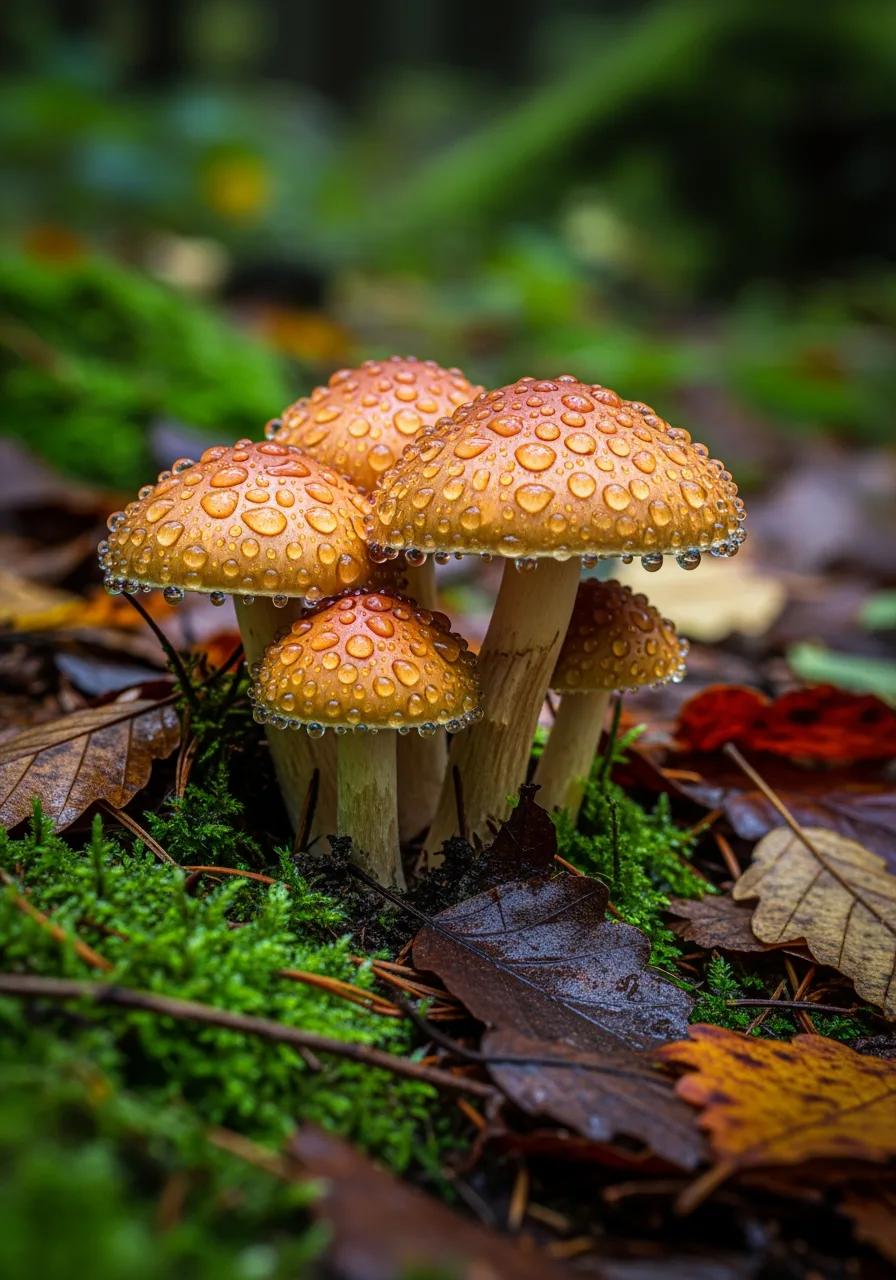
The latest models of Imagen AI can generate a level of realism and detail that rivals professional photography. The output will have perfect facial features, lifelike skin tones, and natural lighting. It will show details such as animal fur, water droplets, fabrics, and more.
Unveiled at Google I/O 2025 on Tuesday, Imagen 4 is capable of rendering 'fine details' like fabrics, water droplets, and animal fur, Google says.
Text That Belongs in the Image
Gibberish, incorrect spellings, and misplaced words are among the problems that Imagen AI models solve. You can render text with accurate spelling, legibility, and support for multiple languages.
We've also paid a lot of attention and fixes around how it generates text and typography, so it's wonderful for creating slides or invitations, or any other thing where you might need to blend imagery and text.
Proven Quality on Independent Benchmarks
Imagen AI is one of the top text-to-image models, consistently ranking highly in independent evaluations for its high-quality output. For example, the LM Arena leaderboard ranks it among the top text-to-image model.
Imagen 3 ranks #2-3 globally on the LM Arena leaderboard with a score of 1235, placing it among the top photorealistic AI image generators available.
Massive Quality Jump from Imagen 3
Imagen 3 is a great text-to-image AI model; however, Imagen 4 is even more impressive. It has some advanced features like processing complex scenes, texture rendering, and fine details.
Imagen 4 is a clear step up from Imagen 3, particularly in handling fine details, textures, and complex scenes.
No Heavy Prompt Engineering Required
Google Imagen AI is designed to work with natural language; therefore, you do not need to have a detailed understanding of prompt engineering. On the other hand, it can also handle creative and layered descriptions. This means you only need to describe your intentions and do an image review before the final output.
Imagen 4, released in May 2025, is the real game-changer. It combines photorealism, crisp text rendering, and lightning-fast output in a clean, easy interface — no heavy prompt engineering required.
Compare AI Image Models
Comparison between Google Imagen and all other models. This is a model comparison table showing Imagen vs Midjourney and other text-to-image AI models. As a user, comparing these image generators will help you understand which is most appropriate for your needs and project workflow. All these models are available on our platform. Another worthy comparison is Imagen vs DALL-E, which highlights the different features that make these models distinct.
| Features | Google Imagen 4 Google DeepMind | GPT Image OpenAI | Midjourney Midjourney Inc. | Nano Banana Pro Our Platform |
|---|---|---|---|---|
| Max Resolution | 2048×2048 | 2048×2048 | 2048×2048 | 4096×4096 |
| Text Rendering | Excellent | Good | Limited | Good |
| Photorealism | Best-in-class | Excellent | Excellent | Good |
| Speed | Fast (10× w/ Fast) | 60–90s | ~30s | ~15s |
| Multilingual | ||||
| Conversational Edit | ||||
| Video Generation | ||||
| API Access |
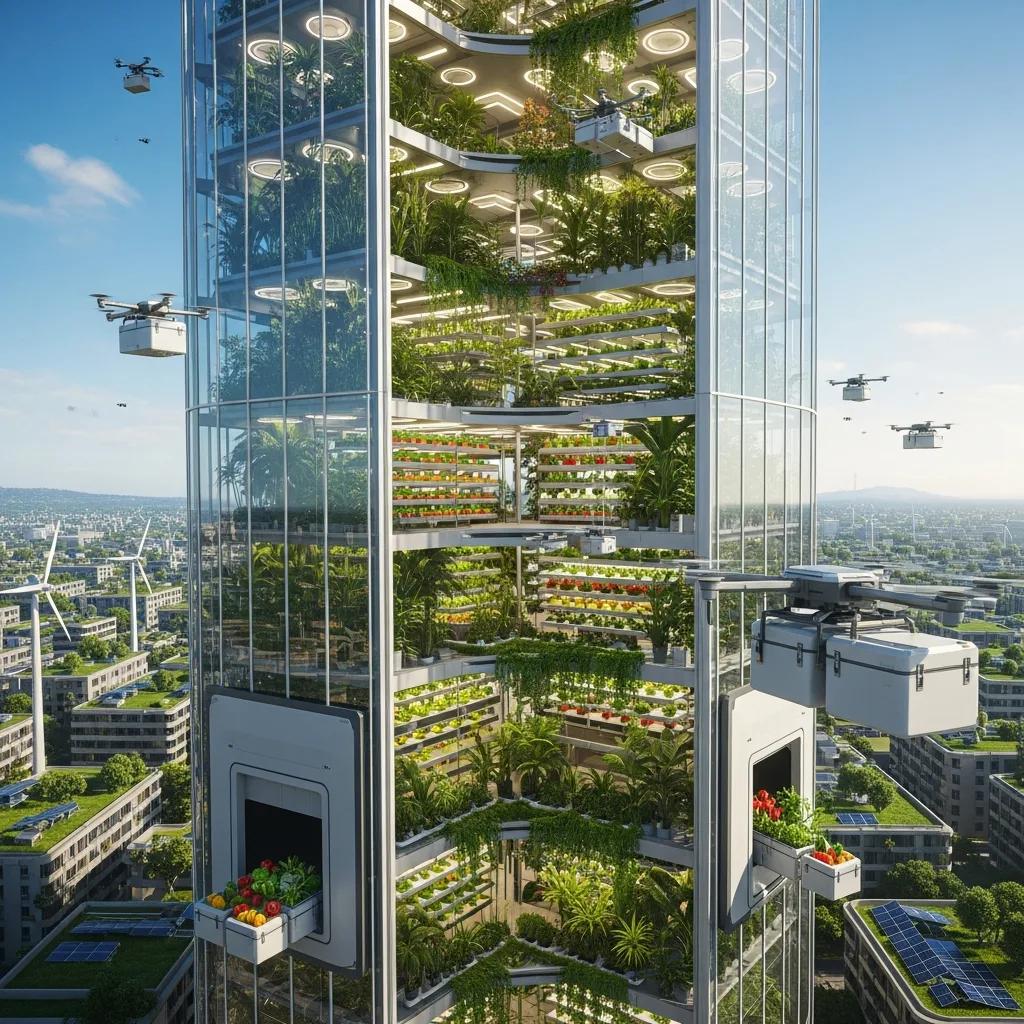
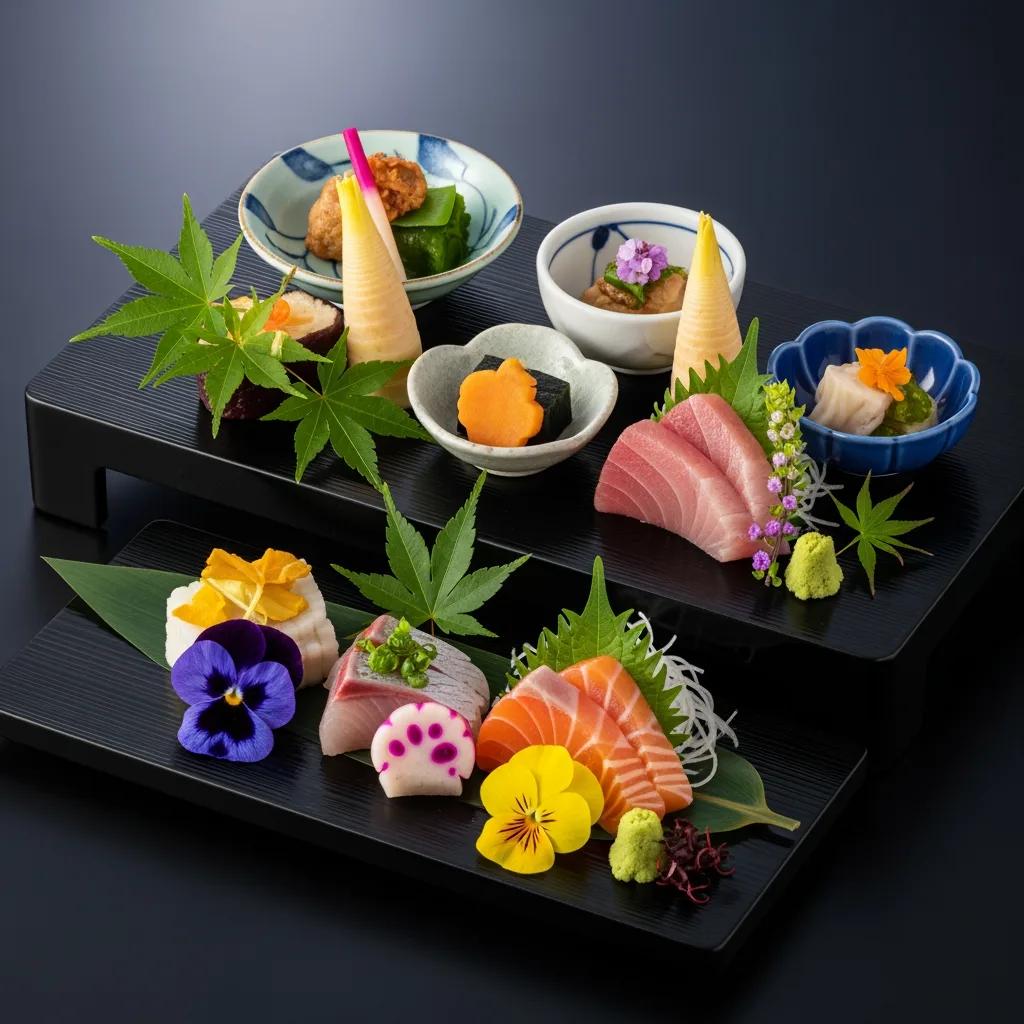
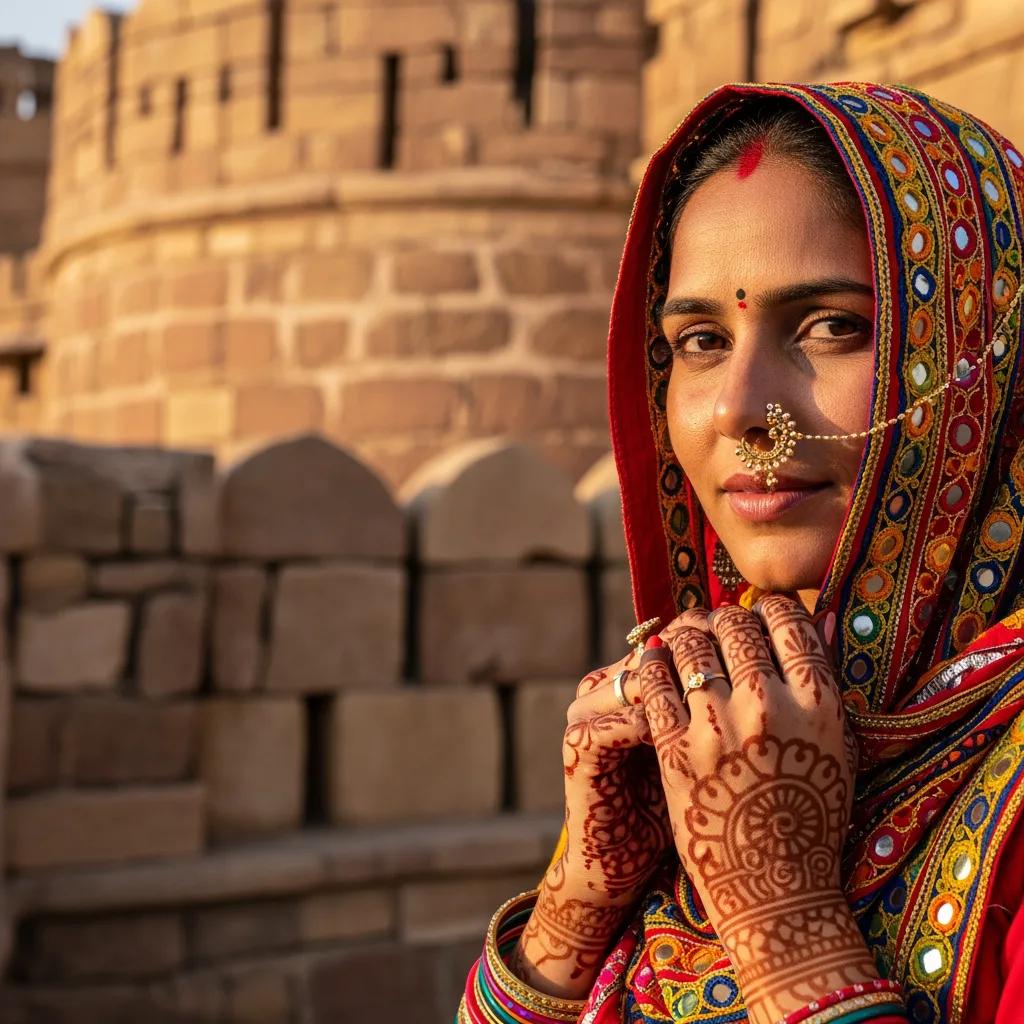
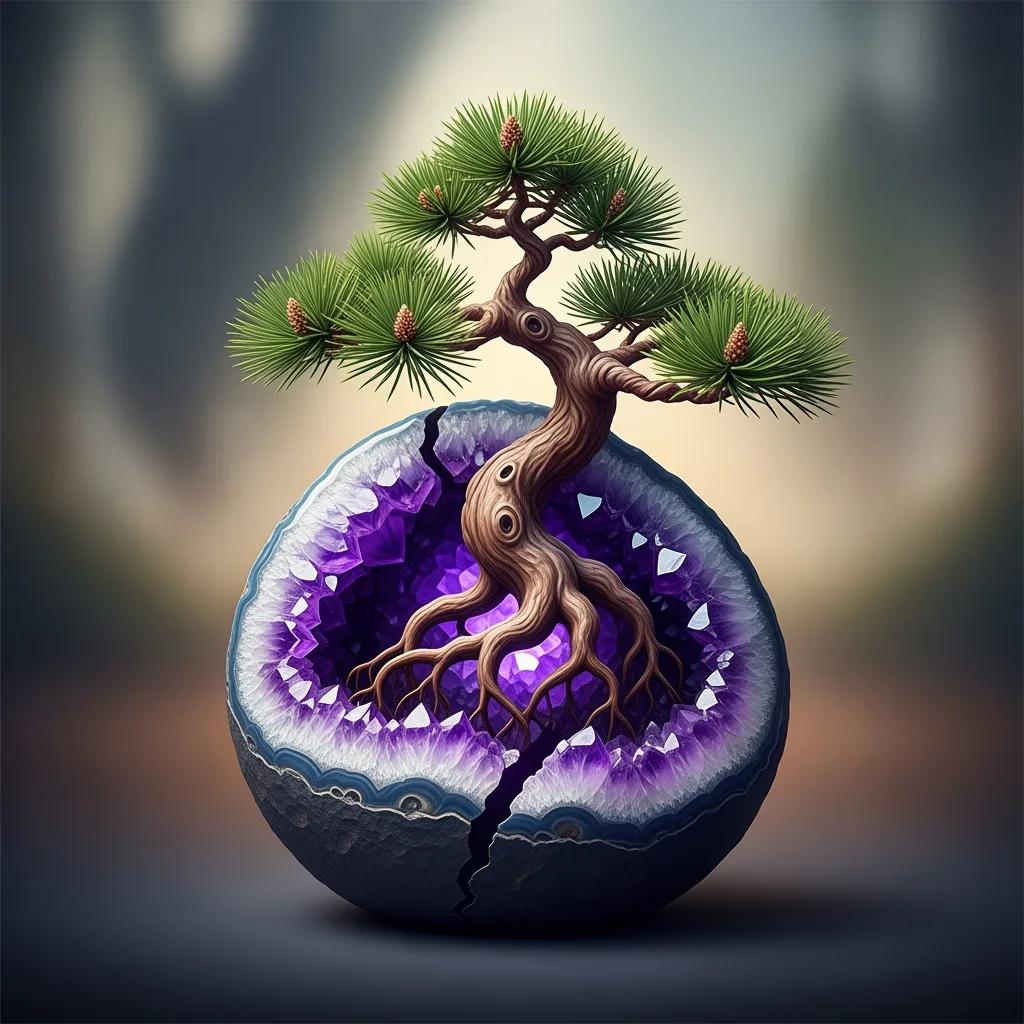
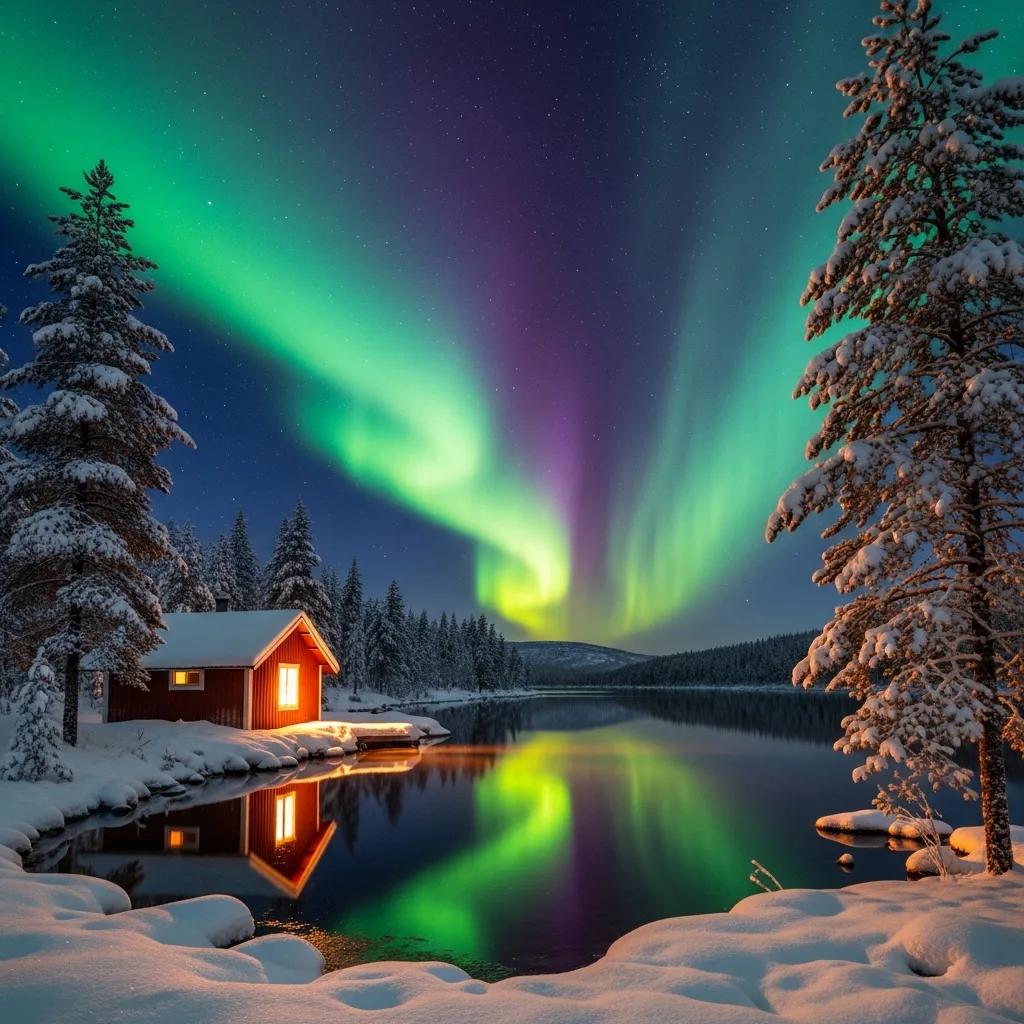
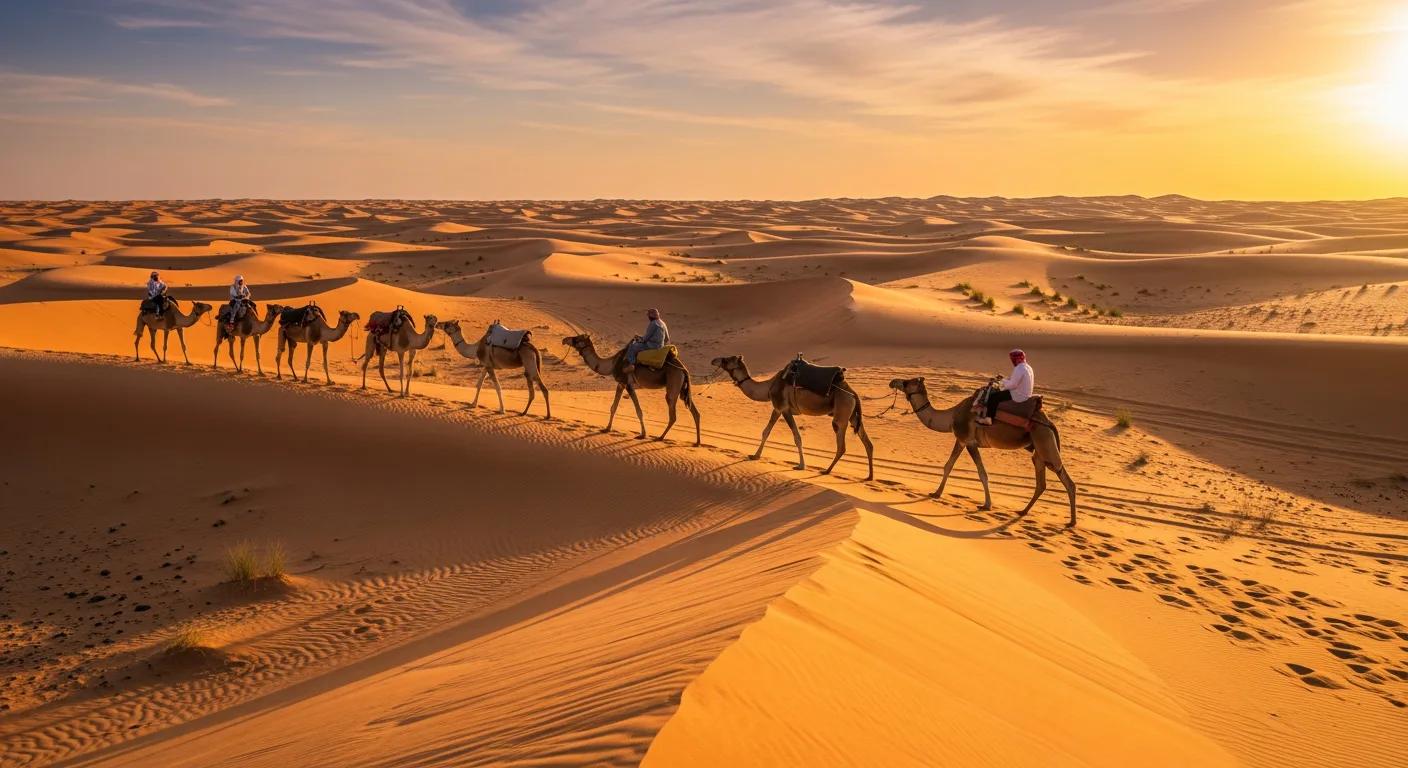
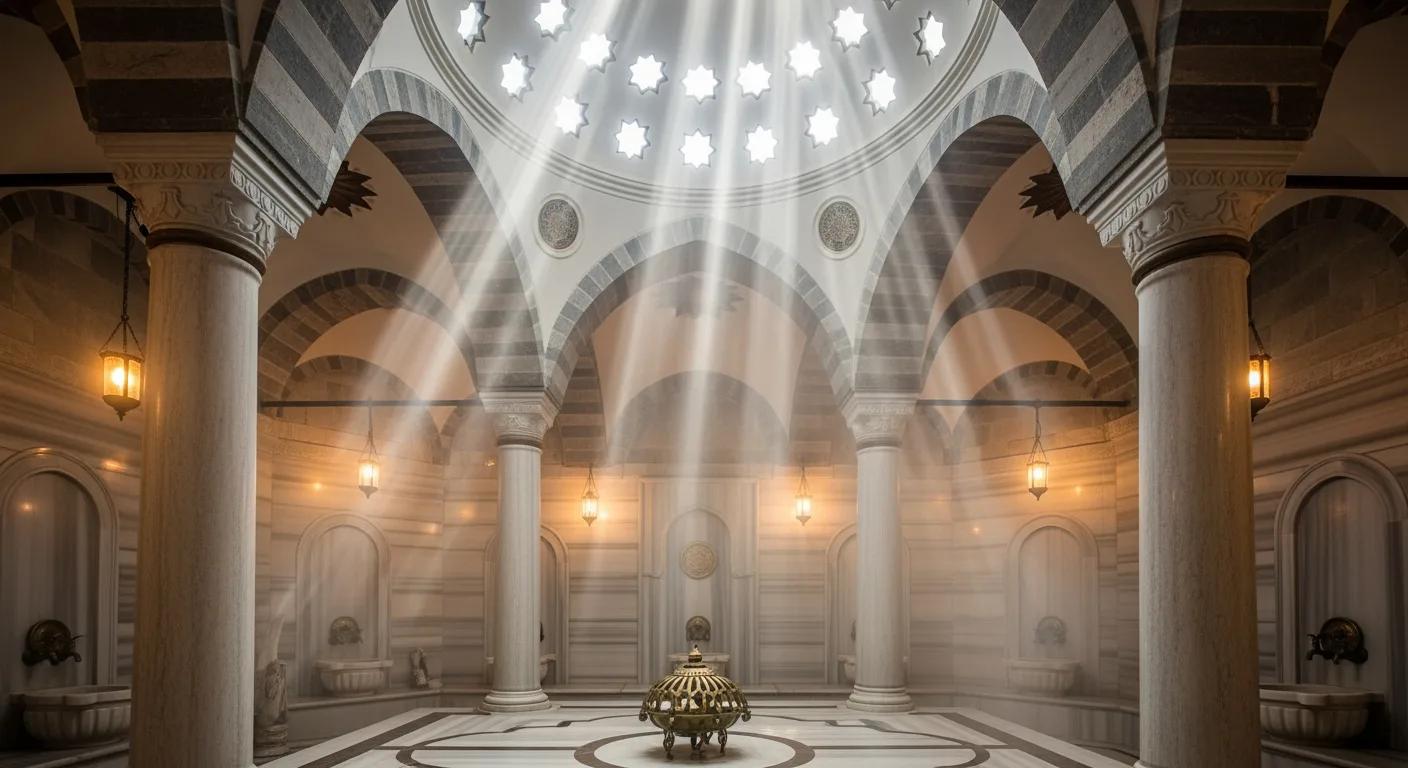
Prompt → Result Gallery
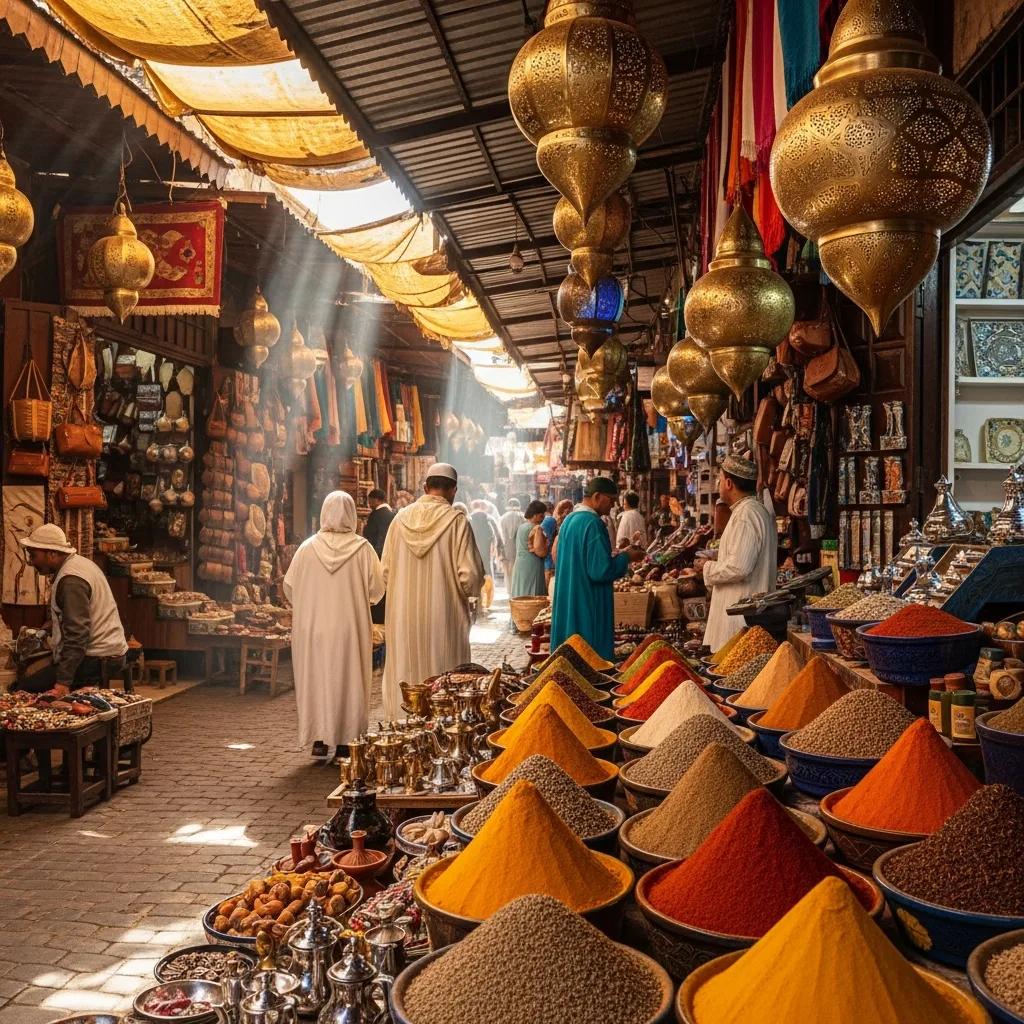
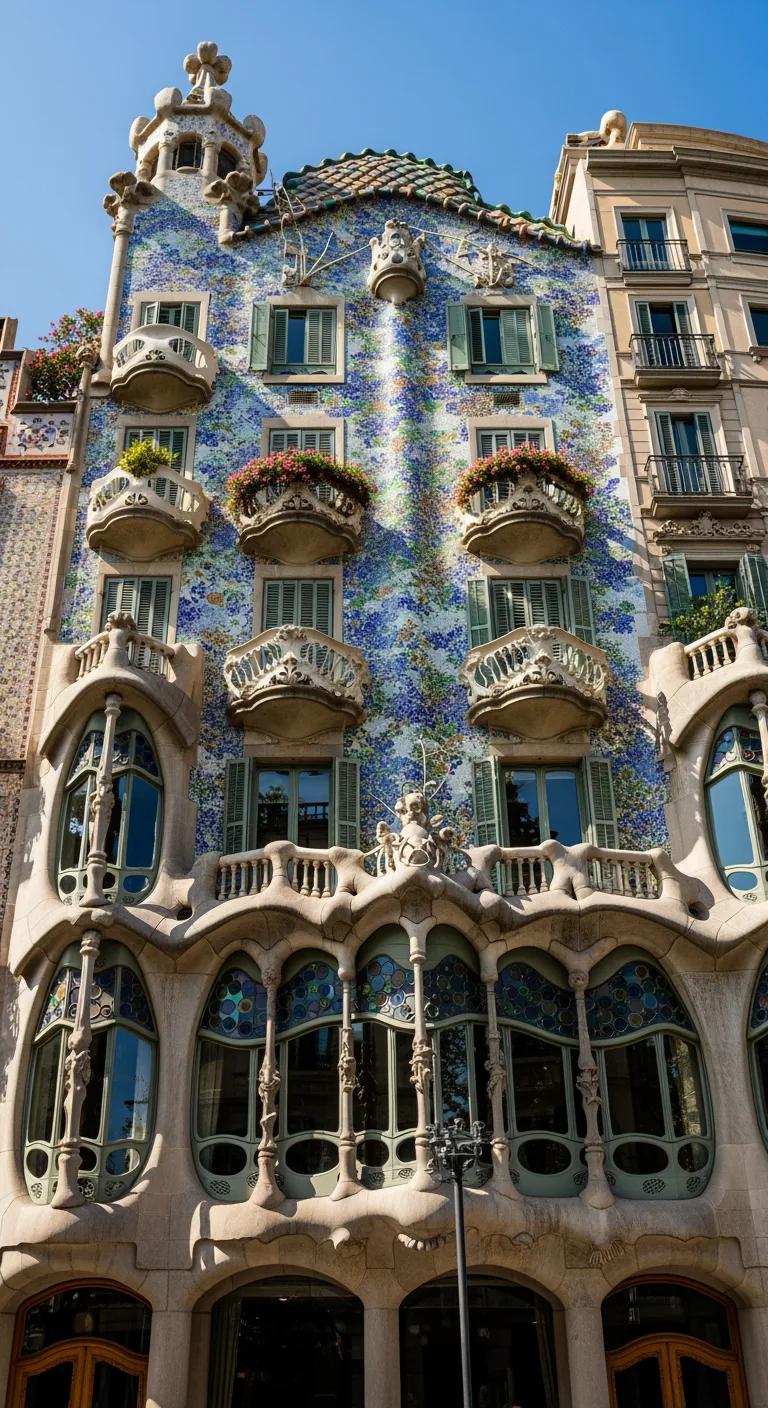
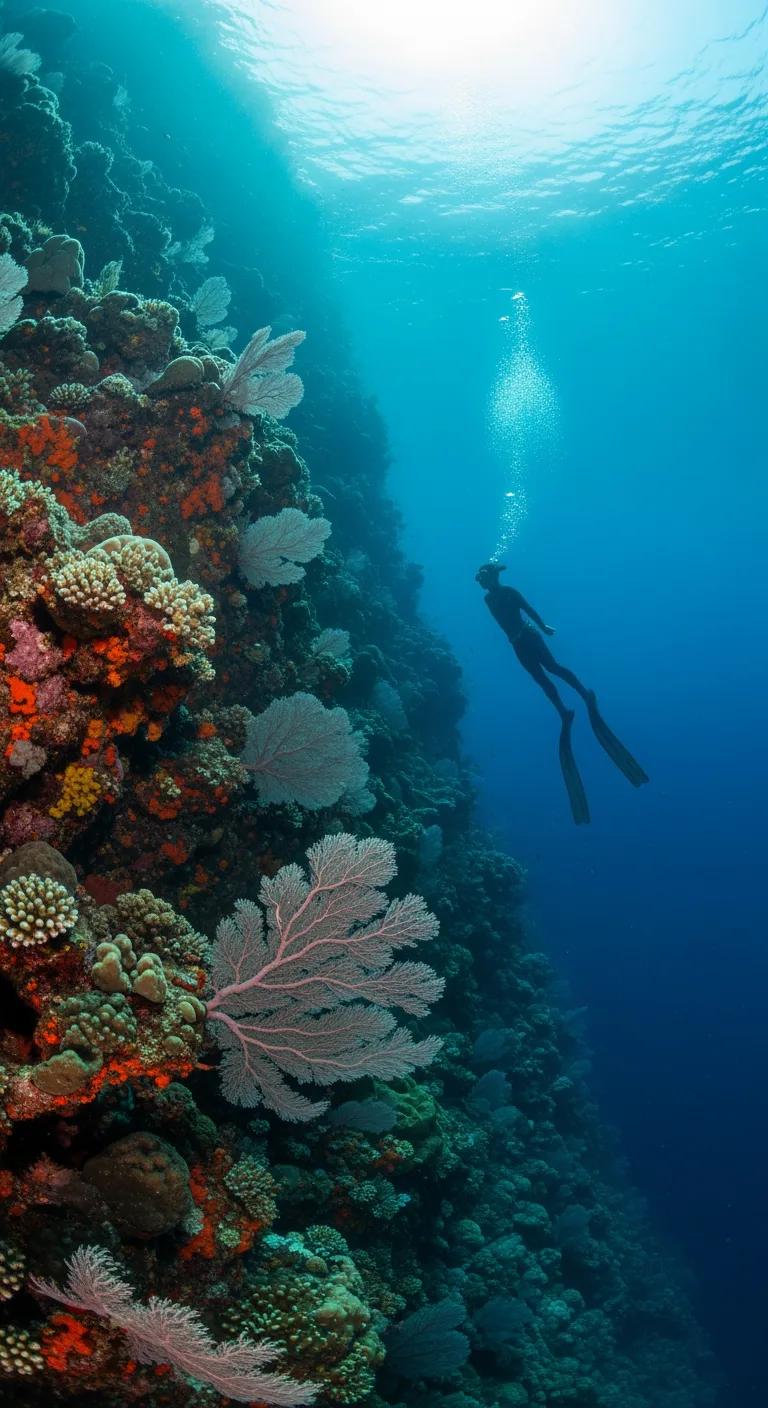
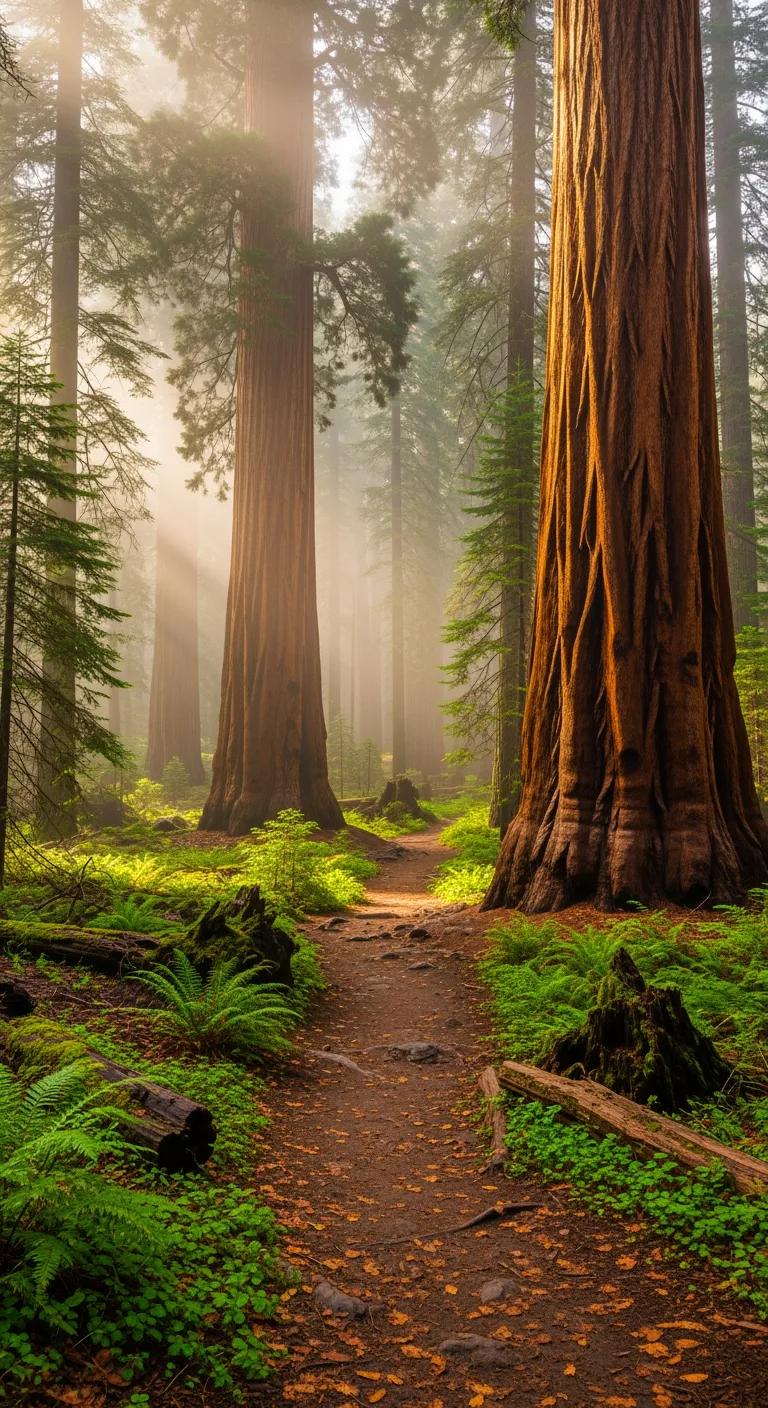
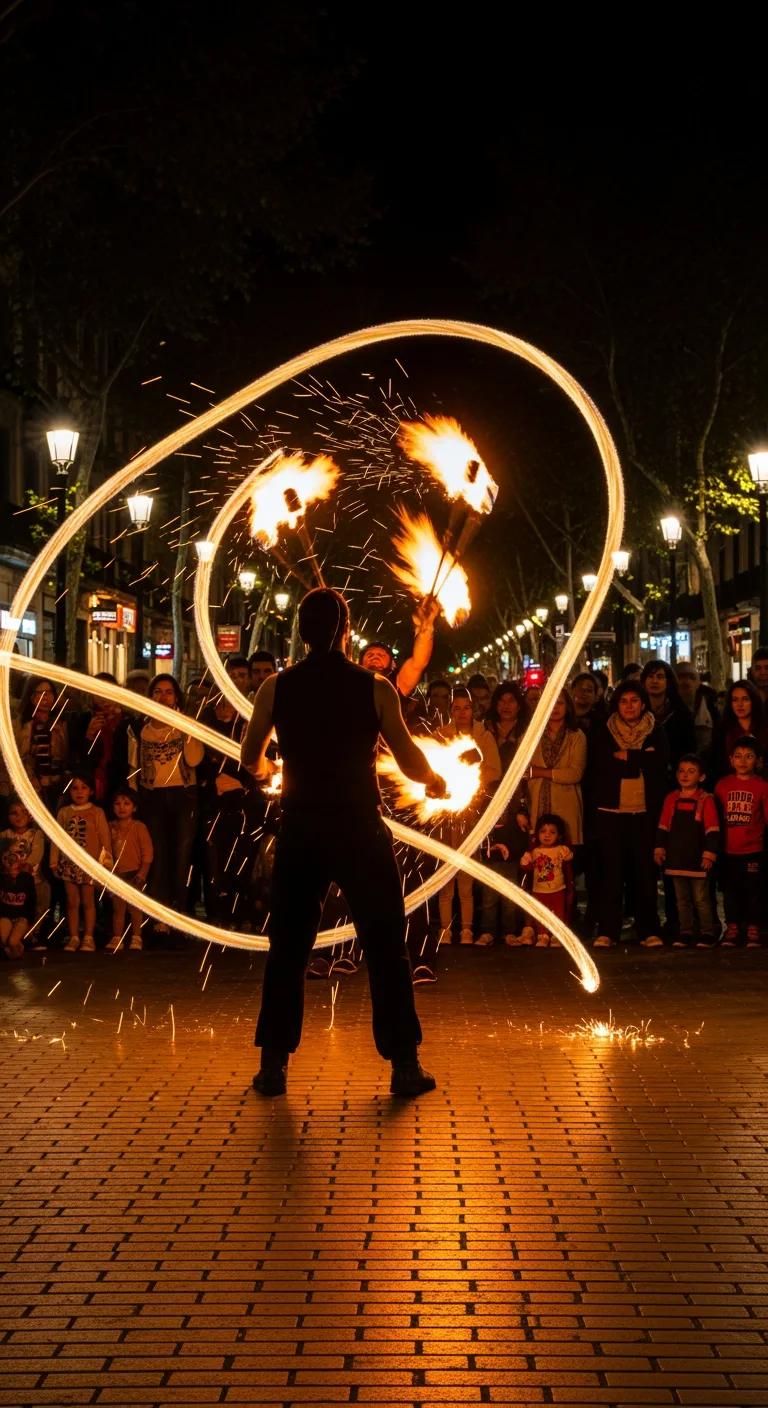
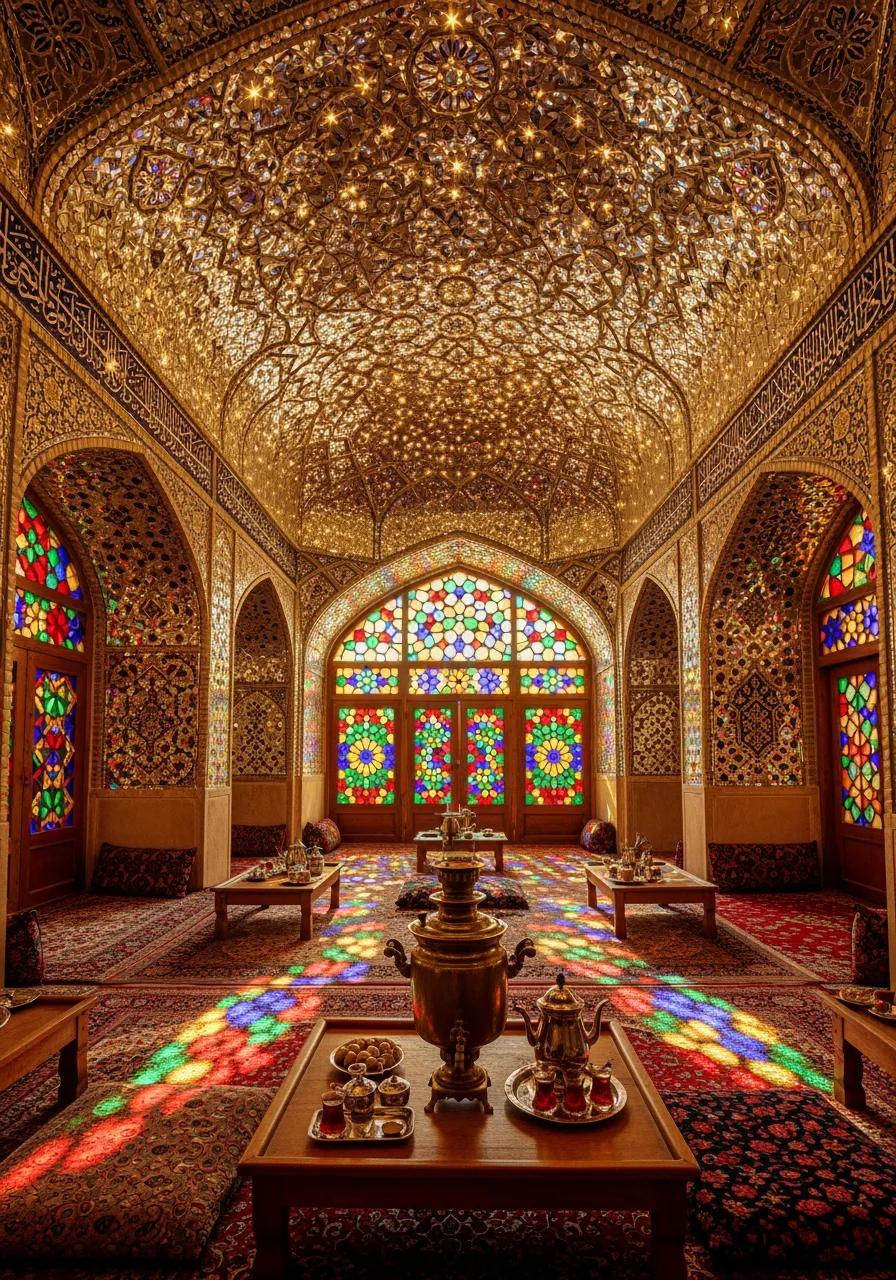
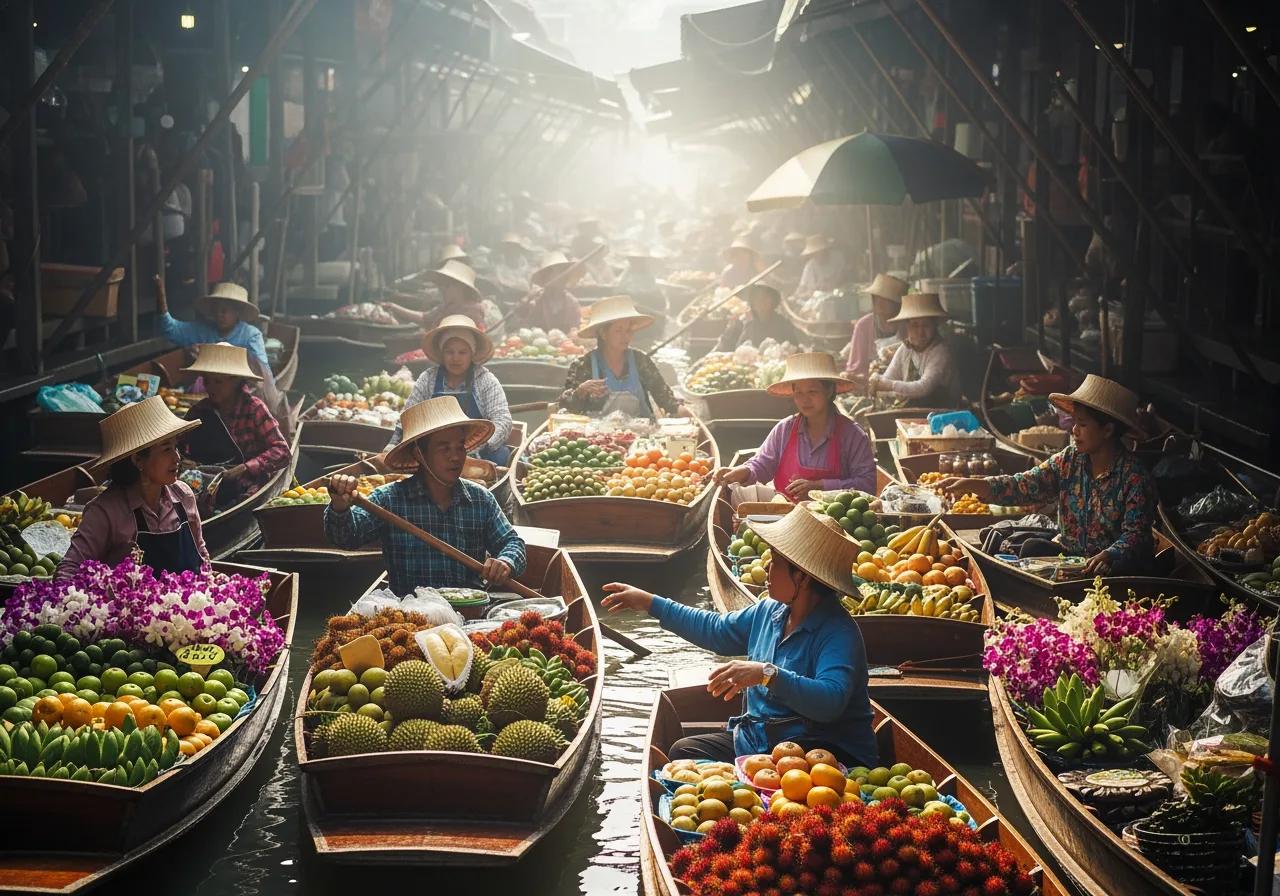
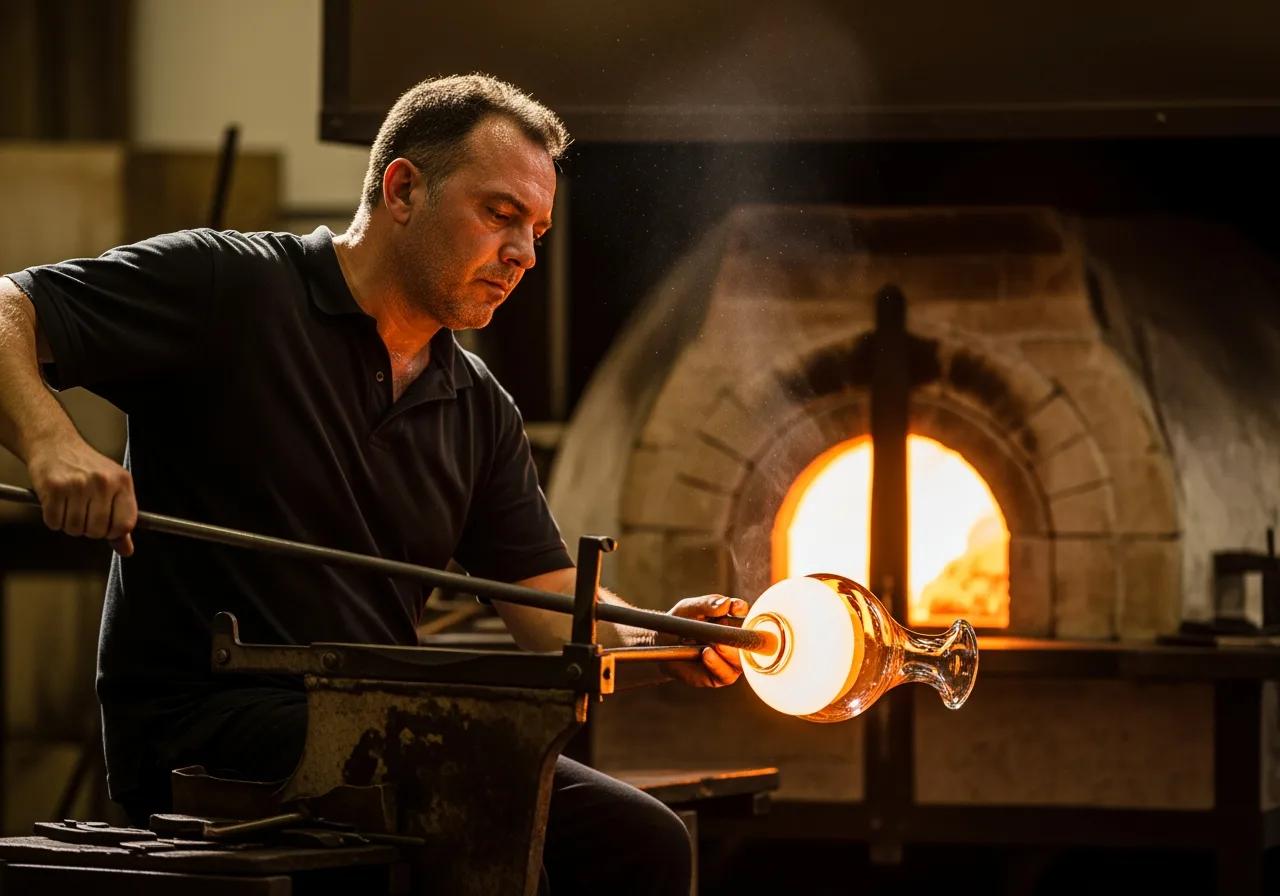
Real results from real prompts — Google Imagen 4 in action